

Trade show budgets should not grow just because costs went up or because someone wants a bigger booth. They should grow when your current spend is limiting what the event can actually accomplish. Knowing when to increase your trade show budget starts with looking for a few clear signals.
Your booth can no longer support your goals, your team is losing opportunities because of space or functionality, your brand has outgrown its current presence, or your existing budget is forcing you to cut the pieces that actually drive results. Throwing more money at a show is not a strategy. Increasing the budget at the right time is. Start by reviewing what a trade show budget actually includes so any increase is aimed at the right categories.
1. Your Trade Show Goals Got Bigger, but Your Budget Didn’t
Maybe last year’s goal was simple: show up, meet customers, collect leads.
This year, you are launching a product, hosting demos, meeting with key accounts, creating content, entertaining prospects, or trying to make a serious brand statement.
That is a different event.
A booth designed around basic conversations may not have the space, technology, staffing support, storage, meeting areas, or presentation capabilities needed for a more ambitious program.
When expectations increase, the budget usually needs to follow.
Before adding dollars, define what has changed:
- Are you targeting more qualified meetings?
- Do you need private or semi-private meeting space?
- Are live demos becoming a major part of the experience?
- Is leadership expecting stronger lead generation or measurable ROI?
- Does the booth need to support a new product launch or rebrand?
If the answer is yes to several of those questions, trying to force bigger objectives into the same budget can create compromises everywhere. The case for tying spend to goals is covered in how to justify a trade show budget to leadership, which is the same argument you will need to make for an increase.
2. Your Booth Is Starting to Work Against Your Team
A booth can look good and still perform badly.
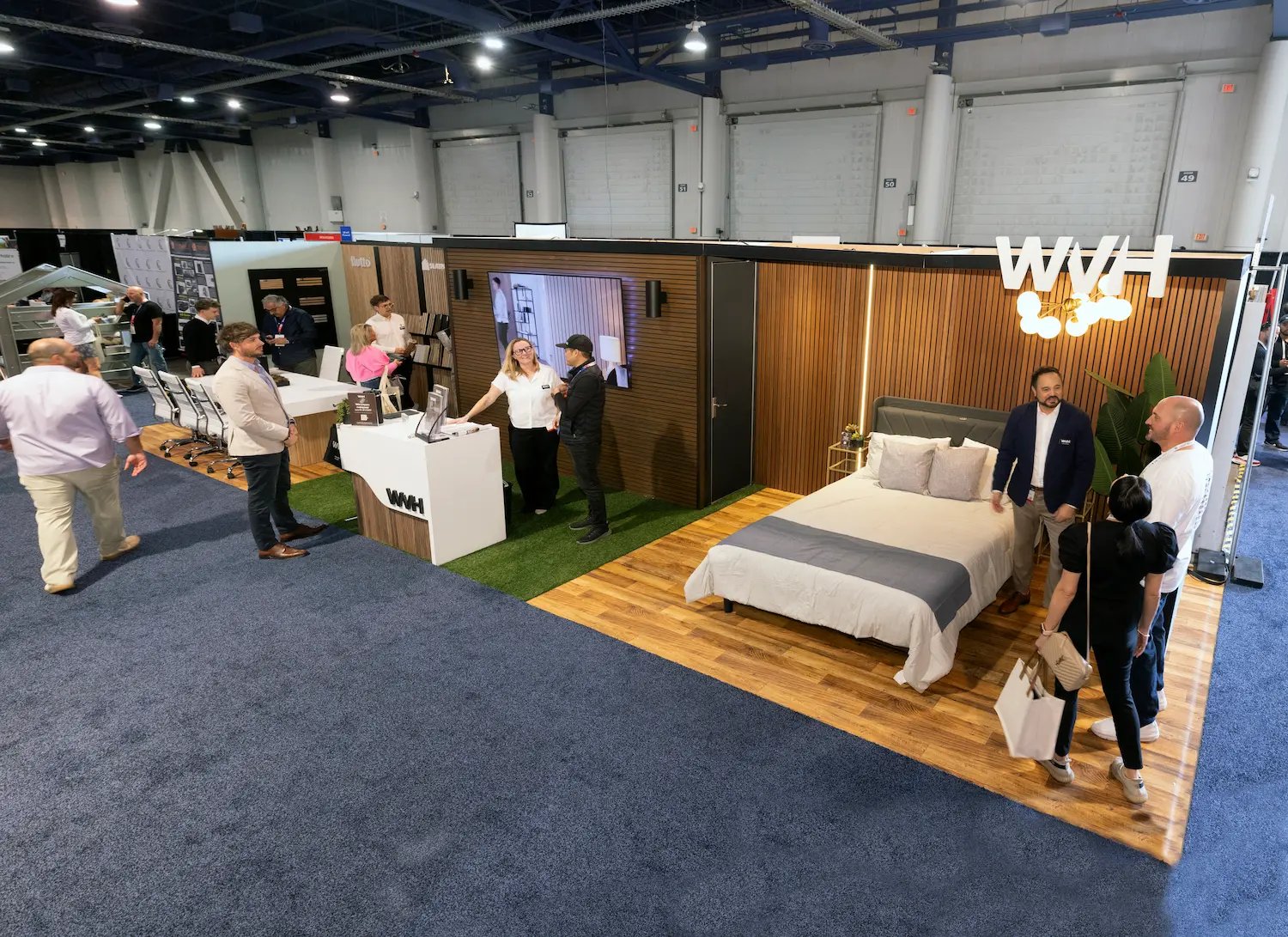
If sales reps are competing for conversation space, demos are blocking traffic, storage is overflowing, or prospects have nowhere to sit down for a serious discussion, you probably have a capacity problem.
That matters because your exhibit is not just scenery. It is a working environment.
A larger trade show budget can create room for smarter zoning, better traffic flow, integrated storage, stronger lighting, digital content, hospitality, and dedicated spaces for different types of conversations.
The goal is not automatically to build something bigger. Sometimes the smarter investment is making the same footprint work harder through better design and fabrication. The layout principles in how to design a trade show booth that works for your sales team show what that looks like in practice.
3. Your Brand Has Outgrown the Booth
Companies evolve. Their trade show presence should too.
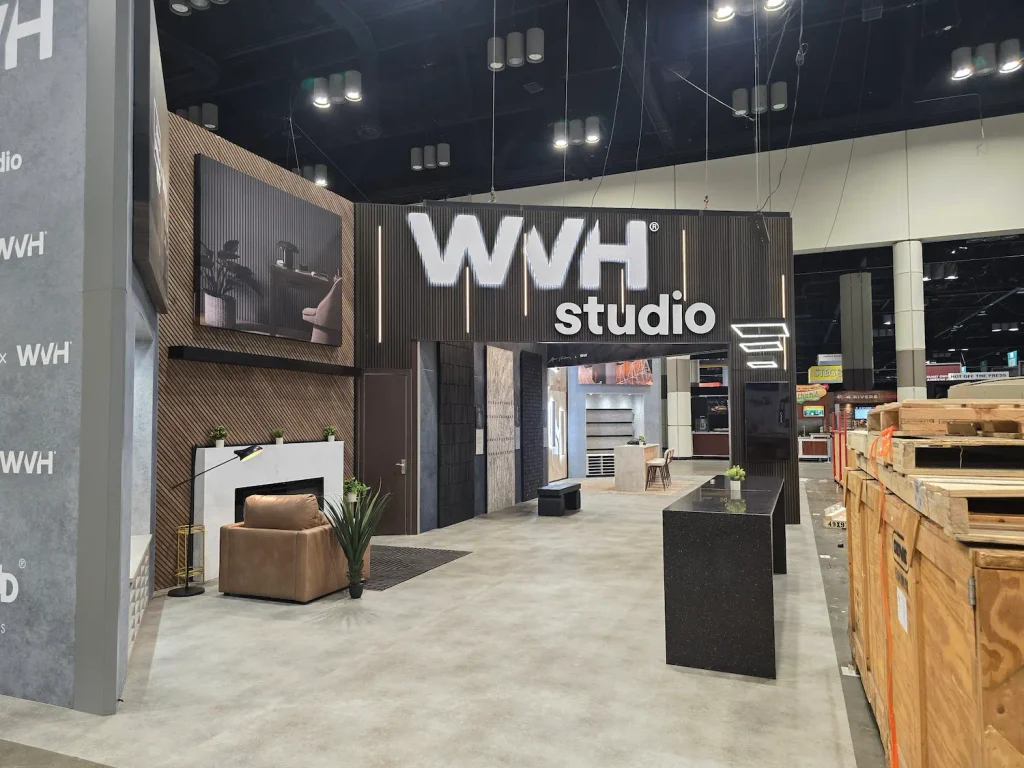
A booth that made sense three years ago may feel completely disconnected from the company you are today. That is especially obvious after rapid growth, a rebrand, a major product expansion, or a move into a more competitive market.
If your website, sales materials, headquarters, and marketing campaigns communicate one level of sophistication while your exhibit communicates another, attendees notice.
Trade shows put your brand side by side with competitors. There is nowhere to hide.
Increasing your budget may be justified when your current exhibit no longer reflects the quality, scale, or credibility you need to communicate on the floor.
That does not mean chasing the biggest booth in the hall. It means making sure the physical experience matches the brand promise. If your current exhibit no longer reflects where the company is, the question of when to stop renting and invest in a custom trade show booth is worth revisiting.
4. You Keep Paying to Patch an Aging Exhibit
There is a point where maintaining an old booth stops being financially clever.
Repeated repairs, graphic replacements, outdated technology, damaged finishes, inefficient shipping configurations, and constant last-minute fixes can quietly eat into your budget year after year.
At some point, you are spending money to preserve yesterday’s solution.
Compare the cost of another round of repairs with the cost and useful life of a refreshed or redesigned exhibit. A larger upfront investment may reduce recurring headaches while giving your team more flexibility for future shows.
This is also where planning matters. A new exhibit does not need to be rebuilt from scratch every year. Modular components, reusable structures, interchangeable graphics, and adaptable layouts can spread the investment across multiple events, as covered in how to build a custom trade show booth that works across multiple shows.
5. Your Current Budget Is Cutting the Wrong Things
Budget pressure is normal. Random cuts are dangerous.
When a tight budget forces you to eliminate lighting, reduce graphic impact, compromise materials, remove technology, shrink meeting areas, or rush production, the final exhibit may technically fit the number while missing the objective.
That is the tradeoff worth watching.
If every planning cycle starts with a strong concept and ends with stripping away the elements that make it work, the issue may not be the concept. The budget may simply be out of alignment with your expectations.
Increasing spend can make sense when additional dollars directly protect the parts of the experience tied to your goals. The cuts that tend to backfire are covered in trade show budget cuts that actually hurt you. The Center for Exhibition Industry Research publishes exhibitor investment benchmarks that can help teams compare their current spend against industry norms before making the case for an increase.
How Much Should You Increase Your Trade Show Budget?
There is no universal percentage.
The right increase depends on what is changing. Expanding your footprint, introducing custom fabrication, adding AV, building interactive experiences, increasing show services, or supporting multiple booth configurations can each affect costs differently.
Instead of saying, “We need 20% more next year,” work backward from the experience and business goals.
Start with three categories:
- Must-haves: Elements required for the booth to function and meet core objectives.
- Performance upgrades: Investments that could improve engagement, meetings, lead quality, or brand impact.
- Nice-to-haves: Features that add polish but can be removed without weakening the strategy.
Then account for the costs beyond fabrication, including freight, drayage, labor, electrical, rigging, AV, flooring, storage, travel, and show-specific services.
The earlier you build that complete picture, the fewer budget surprises you will face later. The trade show budget breakdown and the hidden trade show costs nobody budgets for are both useful checklists for the costs beyond fabrication.
Increase the Budget When the Business Case Is There
The best time to increase a trade show budget is not when you want something flashier. It is when the current budget is preventing the program from doing its job.
If your goals have expanded, your brand has grown, your exhibit is limiting conversations, or maintaining an old solution is creating more cost than value, it is worth reevaluating the number.
A stronger trade show investment should buy more than square footage. It should create better conversations, smoother execution, stronger brand presence, and a booth your team can actually use.
A stronger trade show investment should buy more than square footage. It should create better conversations, smoother execution, stronger brand presence, and a booth your team can actually use. If your current exhibit is starting to feel like the thing holding your program back, explore Highway 85’s trade show capabilities or connect with our team to start planning what comes next.