

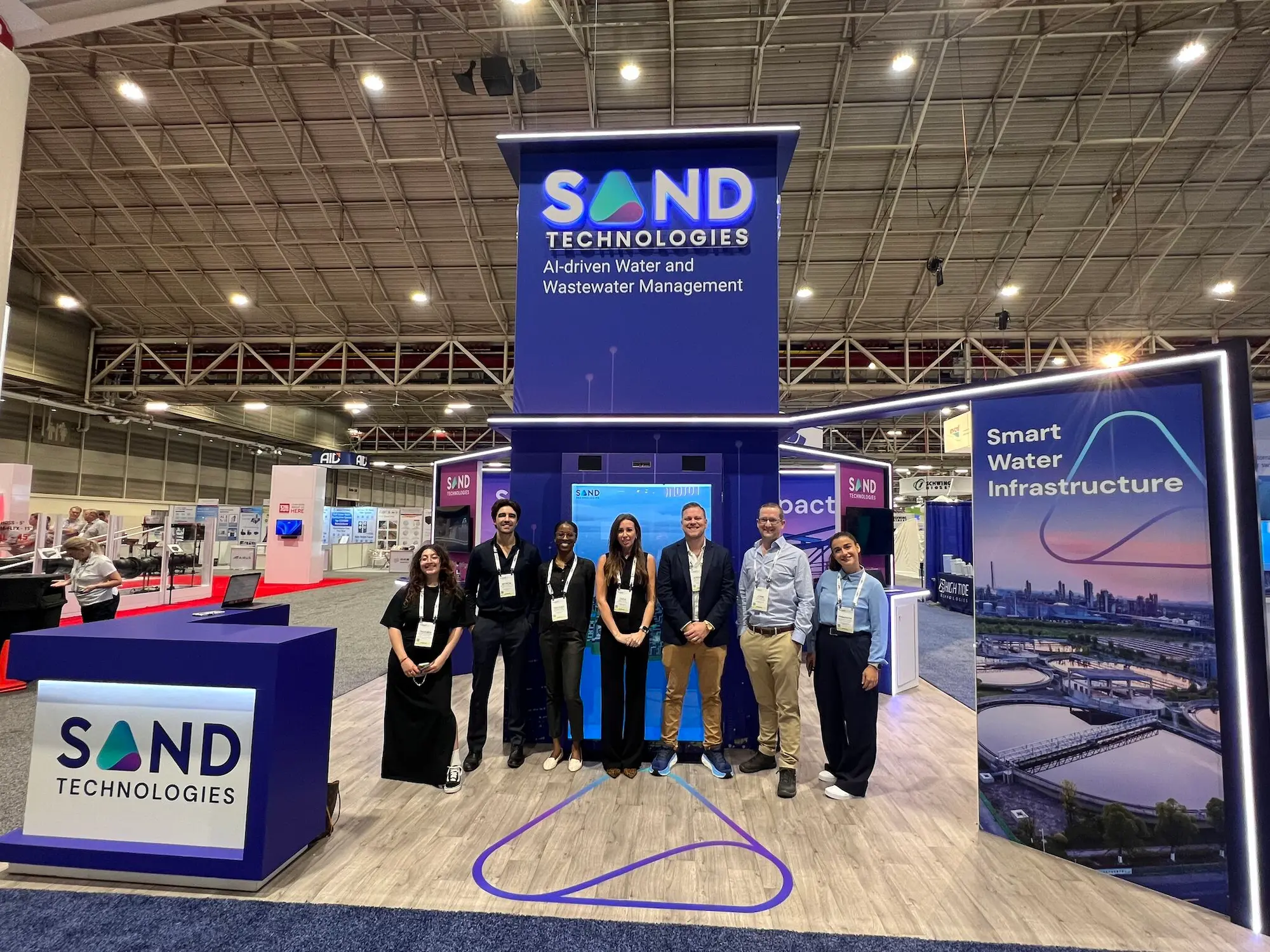
Trade show booth sales team design starts with one core idea: a booth is not just a brand display. It is a sales environment. If your booth looks great but makes your team fight through bad traffic flow, awkward conversations, weak lead capture, and nowhere to qualify prospects, it is not doing its job.
The right approach starts with how your team actually sells, not how the booth looks in a rendering. How your team starts conversations, moves people through the space, captures leads, and closes the loop after the show should drive every layout and design decision. The same goal-first thinking that shapes trade show exhibit design for product launches applies here, just focused on the sales process rather than the product story.
Start With the Sales Workflow Before Designing the Trade Show Booth
Before anyone picks finishes, lighting, graphics, or furniture, map the sales process.
Ask the team:
- Who are we trying to attract?
- What questions do we need answered fast?
- What product or service needs the most explanation?
- Do we need quick scans, deeper demos, or private meetings?
- What makes a lead worth follow-up?
Your booth layout should support that workflow. A team focused on high-volume lead capture needs open access and fast engagement points. A team selling complex solutions may need demo stations, seating, and semi-private conversation zones.
Design follows function. Always. This is the same principle that makes brand strategy shape trade show exhibit design work in practice, where the functional requirements have to be established before the visual direction is set. The Center for Exhibition Industry Research recommends involving sales team leads in the exhibit design brief process, noting that booths designed with direct sales input consistently outperform those designed primarily around marketing or brand objectives.
Create Clear Conversation Zones
Not every booth conversation is the same. Some visitors are just browsing. Some are ready to talk numbers. Some need a demo before they understand the offer. Your booth should make room for all of it without creating a traffic jam.
Strong sales-focused booth layouts often include:
- An open front edge for quick greetings
- A product or demo area for education
- A standing-height counter for fast qualification
- A seated area for deeper conversations
- A more private zone for serious buyers or partners
The goal is to give your sales team places to move people based on intent. Do not make every conversation happen in the aisle. That is where good leads go to die. The zone-based approach covered in how to design a trade show booth for traffic flow provides the spatial framework that makes these sales zones feel natural rather than forced.
Make Lead Capture Impossible to Miss in Your Sales-Focused Trade Show Booth Design
Lead capture should be built into the booth, not treated like an afterthought. If your team is scrambling with phones, tablets, badge scanners, notebooks, and half-charged devices, the booth is working against them.
Plan for:
- Lead capture stations
- Charging access
- Badge scanner storage
- Tablet-friendly counter space
- Clear handoff points between staff
- A simple system for hot, warm, and low-priority leads
The best booth design does not just help attract leads. It helps organize them before the show ends. A clean lead capture setup is also one of the clearest ways that trade show exhibit design affects booth performance, where post-show follow-up quality depends entirely on what the booth made it easy to capture during the event.
Design for Staff Movement
Your team needs room to work. That means clear paths, smart storage, and no weird bottlenecks behind counters or displays.
Think through where staff will stand, how they will enter conversations, where they will store personal items, and how they will reset the booth throughout the day. A booth packed with oversized furniture, random displays, and no back-of-house storage may look full, but it will feel brutal by hour three.
Comfort matters because exhausted staff do not sell well.
Put Messaging Where It Helps the Sale
Your graphics should not try to say everything. They should support the conversation.
Use bold, clear messaging that helps visitors self-identify fast. What do you do? Who is it for? Why should they stop? If a visitor needs a brochure, a full pitch, and three follow-up questions to understand the booth, the message is too soft.
Keep it sharp. Let the booth open the door so the sales team can do the real work. The principles behind trade show exhibit graphics and visual hierarchy are directly relevant here, where the goal is not to impress the attendee with how much the brand has to say but to make them feel like they have already understood the most important thing before anyone speaks.
Quick Checklist: Sales-Focused Trade Show Booth Design
Before approving your booth design, ask:
- Can staff quickly identify and qualify visitors?
- Are there clear zones for different types of conversations?
- Is lead capture easy, visible, and supported with power?
- Does the layout prevent crowding and dead ends?
- Is there enough storage for staff and materials?
- Do graphics help the sales team start better conversations?
- Can serious prospects move into a deeper discussion area?
For a more comprehensive planning tool that covers sales team needs alongside layout, messaging, fabrication, and logistics, download the Highway 85 Trade Show Exhibit Design Checklist.
FAQ: Designing a Booth for Your Sales Team
Should sales staff be involved in booth design?
Yes. They know the questions, objections, and conversations that happen on the floor. Ignore them, and you risk building a booth that looks good but sells poorly.
What is the most important part of a sales-focused booth?
Flow. Your team needs to attract, qualify, demo, capture, and move prospects without friction.
How much space should be dedicated to meetings?
It depends on your sales cycle. Fast transactions need less meeting space. Complex or high-value sales need dedicated areas for deeper conversations.
Bottom Line
A trade show booth should make selling easier. Build around the team’s workflow, give them zones that match real conversations, and make lead capture clean. Pretty is nice. Functional is better. A booth that does both is the one your sales team will actually want to use. If you want a fabrication partner who designs with the sales floor in mind, explore Highway 85’s trade show capabilities or connect with our team to start planning.