


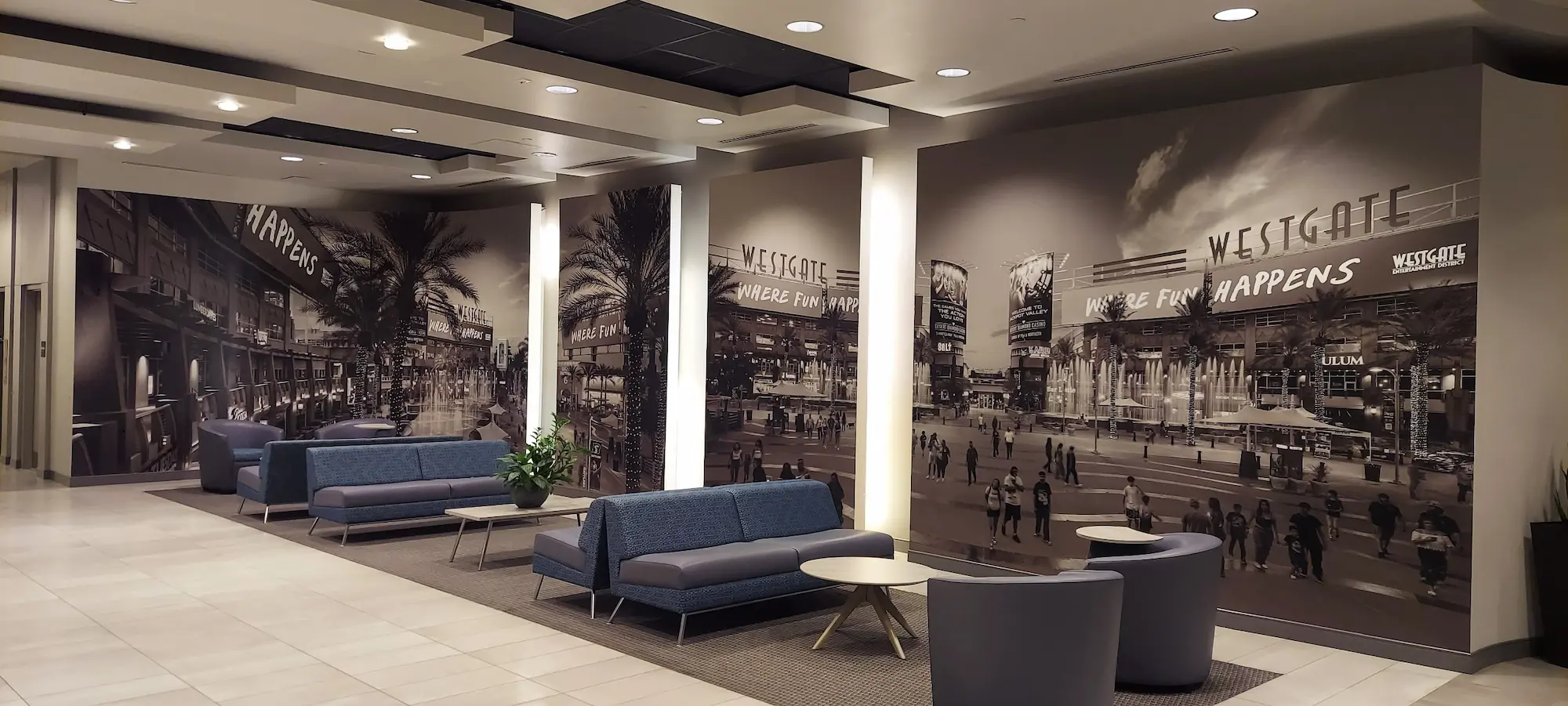
Hospitality interior design builds brand identity by turning spaces into something guests can feel the second they walk in. The best hotel, restaurant, resort, and lounge interiors are not just attractive. They are strategic. Every finish, lighting choice, layout decision, branded touchpoint, and custom installation works together to tell guests who the brand is and what kind of experience they can expect.
That matters because in hospitality, the space is the product. Before a guest tastes the food, checks into the room, or orders a drink, they are already forming an opinion. Hospitality interior design shapes that opinion fast. It can make a brand feel elevated, social, calm, local, exclusive, energetic, or unforgettable. When it is done right, it builds identity in a way that signage and marketing alone never can.
For hospitality brands, interior design is not decoration. It is a business tool.
Brand identity in hospitality interior design starts with a physical point of view
Strong hospitality brands know their space has to do more than look polished. It has to express a clear point of view.
A boutique hotel might want guests to feel like they discovered a hidden gem. A high volume restaurant might want to feel bold, fast-paced, and impossible to ignore. A luxury resort may need to communicate privacy, comfort, and premium service without saying a word.
Interior design makes that identity tangible.
That happens through choices like:
- Material selection
- Lighting style and control
- Furniture shape and scale
- Color palette
- Environmental graphics
- Spatial flow
- Acoustic feel
- Signature focal points
When these elements line up, the brand becomes consistent in a way guests remember. When they do not, the experience feels generic or disconnected.
When these elements line up, the brand becomes consistent in a way guests remember. When they do not, the experience feels generic or disconnected. That disconnect is expensive. Guests may not be able to name exactly what feels off, but they notice it. In hospitality, brand trust is built through details — the same principle that drives strong commercial interior fabrication across every category we work in.
The best hospitality interiors create emotional cues
People do not connect with a brand because the flooring looked expensive. They connect because the space made them feel something.
That is where great hospitality interior design earns its keep.
A warm, layered lobby with soft textures and intimate lighting can make a guest feel welcome and relaxed. A sleek check-in area with sharp finishes and digital integration can make the brand feel efficient and modern. A restaurant with dramatic sightlines, bold textures, and photo-worthy moments can create energy before the first course hits the table.
These emotional cues shape guest behavior.
They can encourage people to linger longer, spend more, take photos, return for repeat visits, and associate the brand with a specific lifestyle. That is the real play. Hospitality brands are not just designing rooms. They are designing memories.
Hospitality interior design helps brands stand apart in crowded markets
Hospitality is competitive. In most markets, guests have options. A lot of options.
That means a beautiful but forgettable space is not enough.
Interior design helps brands differentiate by building recognizable experiences that competitors cannot easily copy. Sometimes that comes through a signature architectural element. Sometimes it comes from custom fabrication, branded installations, or a unique materials story. Sometimes it is the way the entire space flows from arrival to exit.
The goal is not to chase design trends for the sake of it. The goal is to build a space that feels unmistakably tied to the brand.
That is especially important for brands trying to grow into multiple locations. Consistency matters, but so does flexibility. The smartest hospitality environments create a repeatable design language without making every property feel like a clone.
What hospitality interior design looks like in practice
Hospitality brands usually build identity through a mix of large-scale moves and small details.
A few common examples:
Signature arrival moments
The entry sequence sets the tone. That could mean a dramatic host stand, custom millwork, branded scent integration, feature lighting, or a statement wall that becomes the visual anchor of the space.
Branded materials and finishes
Designers often use certain textures, colors, or finish palettes to reinforce the brand personality. A coastal hospitality concept may lean into natural woods and airy tones. A nightlife-driven venue may use reflective surfaces, dark finishes, and high contrast lighting.
Custom focal points
This is where branded hospitality interiors become memorable. A custom bar surround, sculptural ceiling treatment, interactive display, branded mural, or fabrication-heavy installation can turn a nice space into a destination. These elements require the kind of precision and craftsmanship that commercial interior fabrication partners bring to the table, where design intent and build quality have to align completely.
Guest journey mapping
Identity is not only visual. It is spatial. The way guests move through a hotel lobby, restaurant, or amenity area affects how the brand feels. Confusing circulation creates friction. Clear flow creates confidence.
Social media moments
Like it or not, hospitality spaces now live online. Design that sparks photos, check-ins, and shares can extend brand reach far beyond the physical space. The trick is making those moments feel built in, not forced.
Real constraints hospitality brands have to balance
This is where strategy matters.
It is easy to say a hospitality brand should create an immersive branded environment. It is harder to do that within budget, on schedule, and without disrupting operations.
Interior brand expression always has tradeoffs.
A custom feature can create a major wow factor, but it may come with longer fabrication lead times. Premium materials may elevate perception, but they are not always the right fit for high traffic environments. A concept that looks great in renderings may need to be adjusted once durability, maintenance, code requirements, and install logistics enter the conversation.
In hospitality, the smartest design is not the most expensive design. It is the design that performs.
That is why early collaboration between designers, fabricators, and builders matters so much. Brand identity has to survive contact with the real world. It has to be buildable, maintainable, and capable of delivering the experience day after day. This is the same challenge that faces retail interior branding projects, where high traffic, durability, and visual impact all have to be balanced against timeline and budget.
Budget and timeline affect brand experience more than people think
For most hospitality brands, interior design decisions are tied directly to timeline and cost.
A light refresh with new finishes, graphics, lighting upgrades, and a few custom branded elements may be achievable in a shorter window and for a more controlled budget. A full interior overhaul with structural changes, custom fabrication, and immersive storytelling features takes longer and requires a bigger investment.
Neither approach is automatically better.
The right move depends on the business goal. Is the brand repositioning? Launching a flagship? Updating a tired guest experience? Creating a more premium feel? Expanding to a new market?
When the objective is clear, the design strategy gets sharper. And when the design strategy gets sharper, the budget works harder.
The American Hotel and Lodging Association regularly publishes data on guest experience trends and brand differentiation that can help hospitality teams frame the business case for interior design investment.
The takeaway
Hospitality brands use interior design to build identity by making the brand physical. They turn values, personality, and guest expectations into a space people can walk through, interact with, and remember.
That is what creates a true brand experience.
It is not about filling a room with trendy finishes. It is about designing an environment that feels intentional, performs under pressure, and leaves no doubt about who the brand is.
For hospitality brands that want to stand out, that kind of interior design is not a nice extra. It is part of the brand itself.
For hospitality brands that want to stand out, that kind of interior design is not a nice extra. It is part of the brand itself. Built the right way, it does more than look good. It works hard, tells a story, and gives guests something worth coming back to. If you are planning a hospitality interior project and want a fabrication partner who understands both the design intent and the execution reality, connect with the Highway 85 team to start the conversation.