

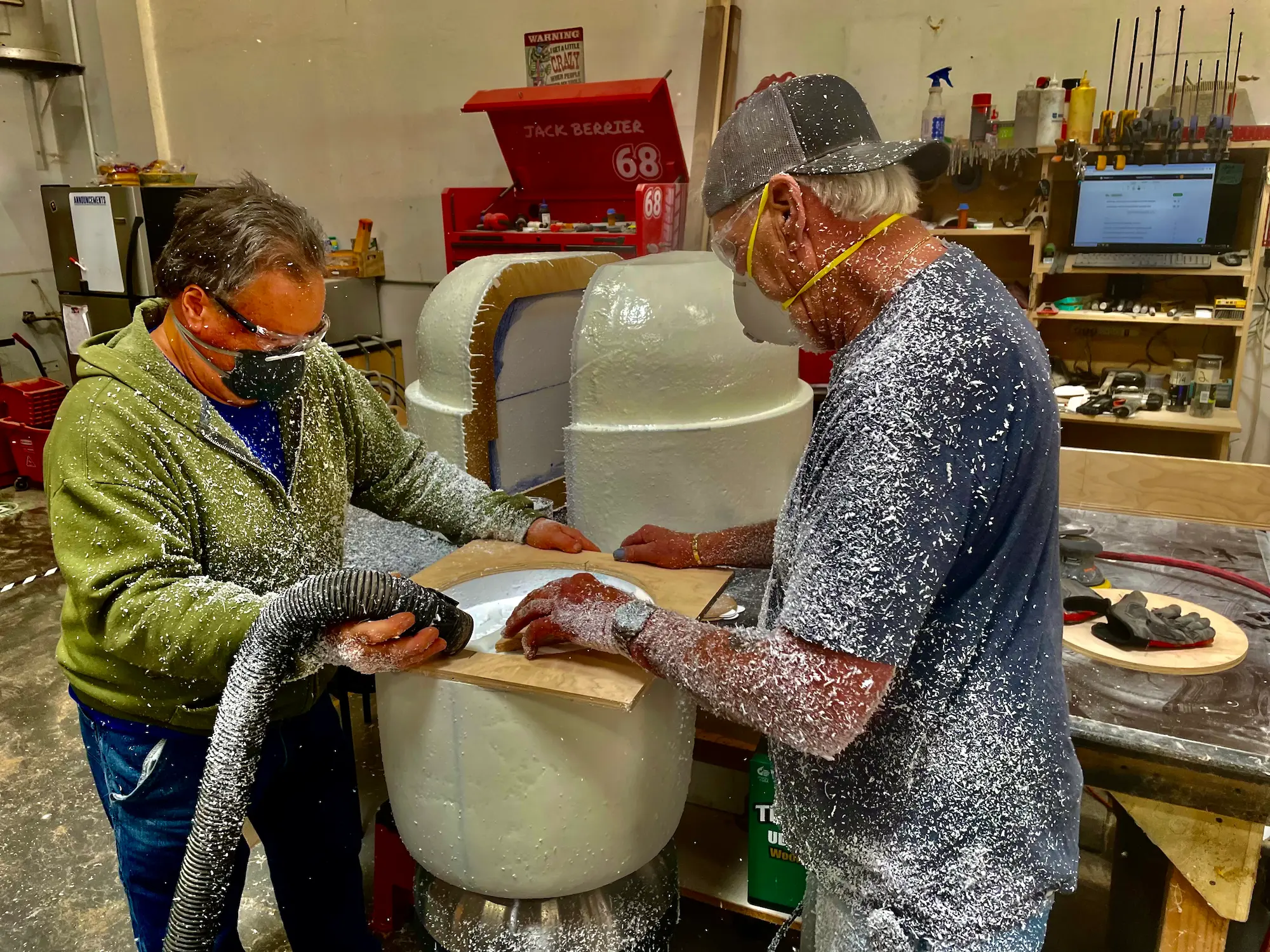
White label fabrication means you partner with a fabrication shop that builds everything under your brand name, not theirs. If you are a creative agency taking on experiential, trade show, or branded environment work, your client never sees the fabricator. To them, you designed it, engineered it, and produced it.
That is the short answer. The real value comes down to control, scalability, and trust. White label fabrication lets you sell bigger ideas without owning a warehouse, a CNC machine, or a full production team. But it also means your reputation is tied directly to a partner you do not control day to day. This model is especially relevant for agencies juggling multiple clients, tight timelines, and complex builds where execution can make or break the relationship.
What “White Label Fabrication” Actually Covers
White label fabrication is more than just building something behind the scenes. A true partner operates as an extension of your agency. That includes:
- Fabrication and production of booths, environments, or custom builds
- Engineering and value engineering to make concepts buildable within budget
- Logistics and install handled under your agency’s name
- Client-facing discretion so the end client only interacts with your brand
In other words, you bring the vision and the client relationship. The fabricator brings the physical execution without stepping into the spotlight. For agencies managing corporate event clients, this model works across trade show fabrication, branded event builds, and permanent interior installations, which means the right partner needs range, not just booth-building experience.
Why Agencies Use White Label Fabrication
Most agencies don’t start out planning to outsource fabrication. It usually happens when opportunity outpaces capacity.
Here’s where it makes the most sense:
1. You Land a Bigger Project Than Your Internal Team Can Handle
You win a 20×20 or 30×30 booth. Maybe it includes custom structures, lighting integrations, or interactive elements. You can design it, but building it in-house is not realistic.
White labeling lets you say yes without scrambling to hire or invest in infrastructure.
2. You Need to Scale Quickly
Agencies working across multiple clients often hit a ceiling. One or two builds per quarter is manageable. Five at once is chaos without the right partner.
A fabrication partner gives you bandwidth without long-term overhead.
3. You Want to Stay Focused on Creative and Strategy
Your value to clients is ideas, brand storytelling, and campaign thinking. Not managing shop drawings or sourcing materials.
White label fabrication keeps your team focused on what actually drives revenue.
The Tradeoffs You Need to Know About White Label Fabrication
White labeling is not risk-free. There are real tradeoffs, and ignoring them is where agencies get burned.
You Are Still Fully Accountable
If something goes wrong on the show floor, your client is not calling the fabricator. They are calling you. That means your partner’s quality, communication, and reliability directly impact your agency’s reputation. This is the same pressure that makes protecting your agency reputation such a critical part of the white label model.
Margins Can Get Tight
You are essentially reselling a service. If you do not price correctly, your margin disappears fast.
Typical agency markups on fabrication range from 15% to 40% depending on involvement, but that only works if the underlying costs are controlled.
You Need Strong Communication Loops
You are translating between client expectations and production realities. Misalignment here leads to scope creep, missed deadlines, or budget overruns. The best white label setups feel like one team, not two companies passing emails back and forth. How that communication gets structured from day one is one of the most important decisions an agency makes when bringing on a new fabrication partner.
What Good White Label Fabrication Looks Like
Not all fabricators are built for white label partnerships. The difference shows up fast. A fabricator who understands agency dynamics operates differently from one who is used to working directly with end clients. Here is what to look for:
1. They Understand Agency Dynamics
They know you are managing multiple stakeholders. They help you look good, not just get the job done.
That means clean communication, fast turnaround on revisions, and no surprises.
2. They Can Value Engineer Without Killing the Idea
Budgets shift. Materials get cut. Timelines compress.
A strong partner knows how to adjust builds without losing the core concept your client bought into.
3. They Operate as a True Extension of Your Team
They are comfortable staying behind the curtain. No logo stamping, no direct outreach to your client, no ego.
Just execution.
4. They Have Proven Experience at Scale
Trade shows and experiential builds are not forgiving environments. Deadlines are fixed. Install windows are tight. Mistakes are visible.
You want a partner who has done this at a high level, repeatedly.
Costs and Timelines: What to Expect
White label fabrication costs vary widely based on complexity, materials, and show requirements, but here are some general ranges:
- Small custom booth (10×10 or 10×20): $15,000 to $60,000
- Mid-size booth (20×20): $60,000 to $150,000+
- Large custom environments: $150,000 to $500,000+
Timelines typically look like this:
- Design finalization to production start: 1 to 3 weeks
- Fabrication: 4 to 10 weeks depending on complexity
- Shipping and install: 1 week including on-site setup
Rush jobs are possible, but they come with higher costs and increased risk. The Experiential Designers and Producers Association publishes industry benchmarks on fabrication costs and timelines that can help agencies set accurate client expectations before scoping begins.
When White Label Fabrication Breaks Down
The model fails when expectations are unclear.
Common failure points include:
- Vague scopes that lead to surprise costs
- Agencies overpromising without checking feasibility
- Fabricators not communicating constraints early enough
- Last-minute design changes that impact production timelines
Avoiding this comes down to alignment upfront. Clear drawings, defined budgets, and realistic timelines. The same discipline that prevents problems in any fabrication project applies here, just with the added complexity of a client communication chain that the fabricator never directly touches.
How Highway 85 Productions Approaches It
At Highway 85 Productions, white label fabrication is not treated as a side offering. It is built into how we partner with agencies.
We understand that for teams like Reseller Rebecca, your reputation is tied to work you are not physically producing. That pressure is real .
Our role is to remove that risk.
That means:
- Transparent pricing so you can protect your margins
- Engineering support early so ideas stay buildable
- Clear timelines so you can manage your client confidently
- High-end execution that reflects your brand, not ours
We stay behind the scenes, but we operate like we are on your team.
The Bottom Line
White label fabrication works when the partnership is tight, communication is clear, and expectations are realistic. It fails when agencies treat fabrication as an afterthought instead of a critical part of the client experience. If you get it right, it becomes a growth lever. You take on bigger projects, move faster, and keep your focus where it belongs: creative, strategy, and client relationships. If you are ready to find a fabrication partner who operates as a true extension of your agency, connect with the Highway 85 team to start the conversation.