


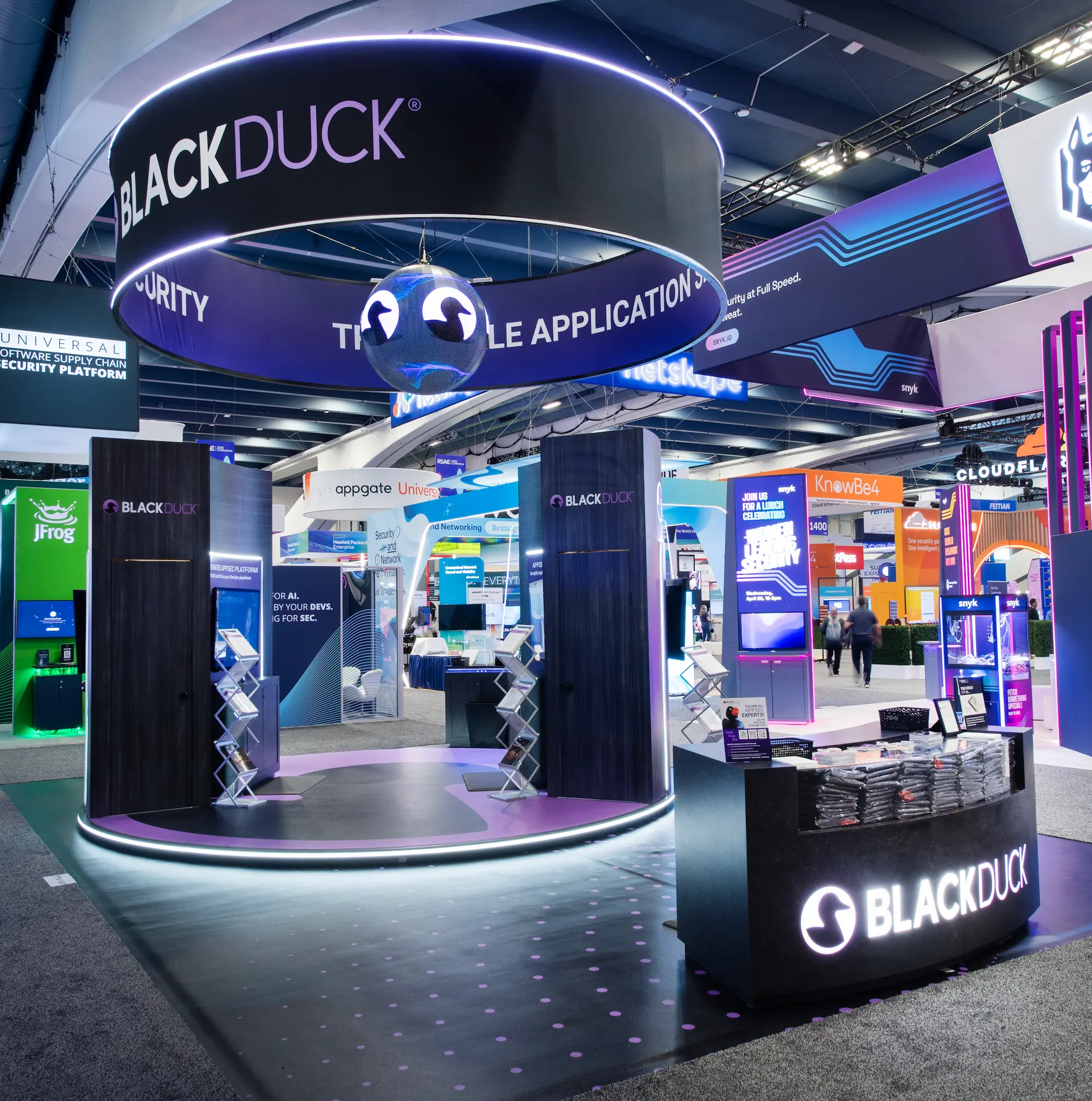
The trade show exhibit design trends worth paying attention to in 2026 point in one direction: more intentional, more flexible, and more focused on the attendee experience rather than visual spectacle. Flashy for the sake of flashy is out. Every design choice needs to earn attention, support conversations, or make the exhibit easier to reuse.
Here are the trade show exhibit design trends that actually deserve space in your plan.
1. Hands-On Product Experiences
Attendees do not want to stand around watching another looping brand video. They want to touch, test, compare, and experience what you sell.
Freeman research found that hands-on exposure helps attendees evaluate products and advocate for purchasing them. That makes demonstrations, interactive product stations, and guided experiences more than attention-grabbers. They are sales tools.
Build demonstrations into the exhibit from day one. Do not wedge them into leftover space after the structure is designed. The full framework for how demo placement, sightlines, and flow affect exhibit performance is covered in how trade show exhibit design affects booth performance, where hands-on engagement consistently outperforms passive display in both lead quality and post-show recall.
2. Technology That Has a Job
LED walls, touchscreens, augmented reality, and AI-powered experiences continue to show up across the trade show floor. The better trend is not simply adding more technology. It is giving that technology a clear purpose.
Use technology to:
- Explain a complicated product quickly
- Personalize content for different visitors
- Create a guided demonstration
- Capture useful engagement data
- Extend a physical product story
A giant screen playing a corporate reel is not innovation. It is expensive wallpaper. The discipline of giving technology a clear purpose rather than a prominent position is covered in how to build technology and interactivity into a custom trade show booth, where the most effective tech decisions happen during exhibit design rather than after fabrication is complete.
3. Modular Exhibits With Custom Impact
More brands want exhibits that can scale across multiple shows, footprints, and budgets. Modular construction supports that flexibility without forcing every event to look identical.
The key is designing a reusable system, not a generic kit. The tradeoffs between custom and modular construction are covered in custom vs modular trade show booths, where the hybrid approach is often the most practical way to get strong brand impact across a varied show calendar without rebuilding from scratch every time.
4. Bold, Simplified Brand Storytelling
Clutter is getting crushed.
Current exhibit design favors stronger focal points, shorter messages, oversized graphics, strategic lighting, and layouts attendees can understand in seconds. Recent award-winning exhibits also show that smart problem-solving and a clear purpose can outperform sheer size or spending.
Choose one primary message. Make it visible from the aisle. Give visitors an obvious reason to step inside. The visual hierarchy principles that make this work in practice are covered in trade show exhibit graphics and what makes a trade show exhibit design memorable, where a single dominant focal point consistently outperforms a collection of competing elements.
5. More Intentional Visitor Flow
The exhibit should guide people without feeling like a cattle chute. Open entrances, visible demonstrations, natural pathways, and clearly defined conversation zones help prevent bottlenecks and awkward dead space.
Design around the visitor journey:
- What stops them?
- What pulls them inside?
- What do they experience?
- Where does the conversation happen?
- What should they do next?
The full spatial planning framework for making that journey feel natural rather than forced is covered in how to design a trade show booth for traffic flow.
Trade Show Exhibit Design Checklist
Before approving a concept, confirm that it:
- Communicates the main message within seconds
- Includes a meaningful hands-on experience
- Uses technology for a specific purpose
- Supports traffic flow and staff conversations
- Can adapt to future booth sizes
- Accounts for storage, shipping, installation, and reuse
- Creates at least one memorable visual moment
- Connects every major feature to an event objective
Trends should sharpen the strategy, not hijack it. Start with what attendees need to understand, feel, and do. Then build an exhibit that makes those actions impossible to miss. For a comprehensive planning tool that covers all of these areas before your next exhibit review, download the Highway 85 Trade Show Exhibit Design Checklist.
If you want a fabrication partner who stays current on what is working on the show floor and builds with those insights from the first design conversation, explore Highway 85’s trade show capabilities or connect with our team to start planning.