


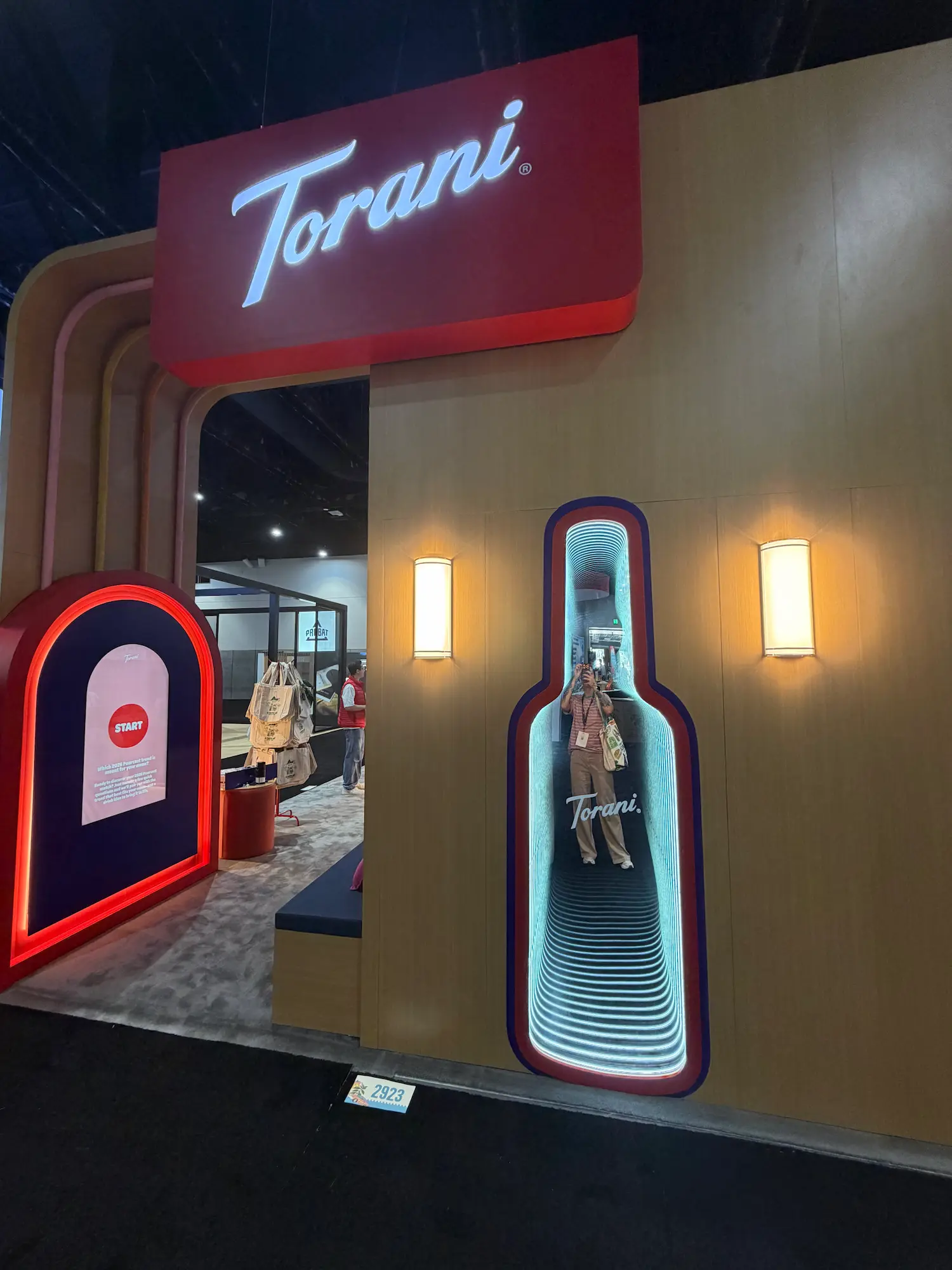
Trade show booth technology can make a custom exhibit more memorable, but only when it has a clear job. The goal is not to add screens, touch tables, or flashy features just because they look modern. The goal is to help attendees understand your product faster, start better conversations, and give your team a stronger way to capture leads and measure results.
For exhibitors asking how to integrate technology into a custom trade show booth, the answer starts with strategy, not hardware. The same principle applies here as in the custom trade show booth design process: the functional brief should come before the design direction, and design should come before the hardware list.
Start With the Visitor Journey Before Choosing Trade Show Booth Technology
Before choosing any tech, map out what you want attendees to do inside the booth. A strong interactive booth usually supports one or more of these goals:
- Explain a complex product or service quickly
- Create a hands-on product experience
- Collect qualified leads
- Encourage social sharing
- Help sales teams guide better conversations
- Track engagement after the show
For example, a manufacturer may use a touchscreen product selector to help visitors compare equipment options. A software company may use a demo station with guided workflows. A brand launching a new product may build an interactive reveal moment that draws people in from the aisle.
The best booth technology makes the experience easier, not more complicated.
Choose Trade Show Booth Technology That Supports the Design
Technology should be planned early in the custom booth design process. Screens, lighting, demo stations, charging areas, sensors, and interactive displays all affect layout, power needs, traffic flow, storage, fabrication, and installation.
Common trade show booth technology includes:
- Touchscreen displays for product education
- LED walls or large-format video for brand storytelling
- QR codes tied to landing pages, demos, or lead forms
- Interactive kiosks for self-guided exploration
- AR or VR experiences for products that are hard to transport
- Digital signage for schedules, demos, or presentations
- Lead capture tools integrated with CRM systems
- Lighting controls that highlight products or create motion
A custom booth partner should think through how these pieces are built into the structure, not just placed on top of it. This is where trade show booth engineering matters directly, since power routing, cable management, mounting, ventilation, and access panel planning all need to happen during fabrication, not after.
Keep Interactivity Simple and Useful
Attendees are moving quickly. If an interactive feature takes too long to understand, most people will skip it. Keep the experience focused and intuitive.
A good rule is that visitors should know what to do within a few seconds. Tap to compare. Scan to save. Step in to experience. Watch the demo. Answer three questions. The interaction should feel natural and connected to the brand.
This is especially important for teams managing multiple internal stakeholders, from sales to marketing to product teams. The booth needs to support everyone’s goals without becoming cluttered or so technically complex that it slows attendees down rather than pulling them in.
Plan for Power, Internet, and Show Floor Reality
Technology adds practical requirements. Before approving a booth concept, confirm:
- Power requirements for every screen, device, and lighting element
- Internet needs, including backup options
- Cable management and hidden access points
- Heat, ventilation, and equipment safety
- Shipping protection for monitors and hardware
- Setup time during install
- Who troubleshoots during the show
A great technology idea can fall apart if it is not engineered for the actual trade show environment. These logistics belong in the same planning conversation as what drives custom trade show booth cost, because AV, electrical, and internet orders can add meaningfully to the total investment if they are not scoped from the start.
Measure What Matters
Interactive technology should help prove ROI. Build in ways to track engagement, such as scans, demo completions, dwell time, badge captures, form fills, or post-show content downloads.
This gives your team better data after the event and helps justify future booth investments. The Center for Exhibition Industry Research publishes data on exhibitor technology adoption and ROI measurement methods that can help teams set measurable engagement benchmarks before the show opens.
Final Takeaway
The best custom trade show booth technology is intentional, easy to use, and fully integrated into the booth from the beginning. When strategy, design, fabrication, and execution work together, interactivity becomes more than a feature. It becomes a practical tool for attracting attention, starting conversations, and turning booth traffic into measurable opportunities. If you want to build technology into your next exhibit the right way, explore what Highway 85 builds or connect with our team to start planning.