


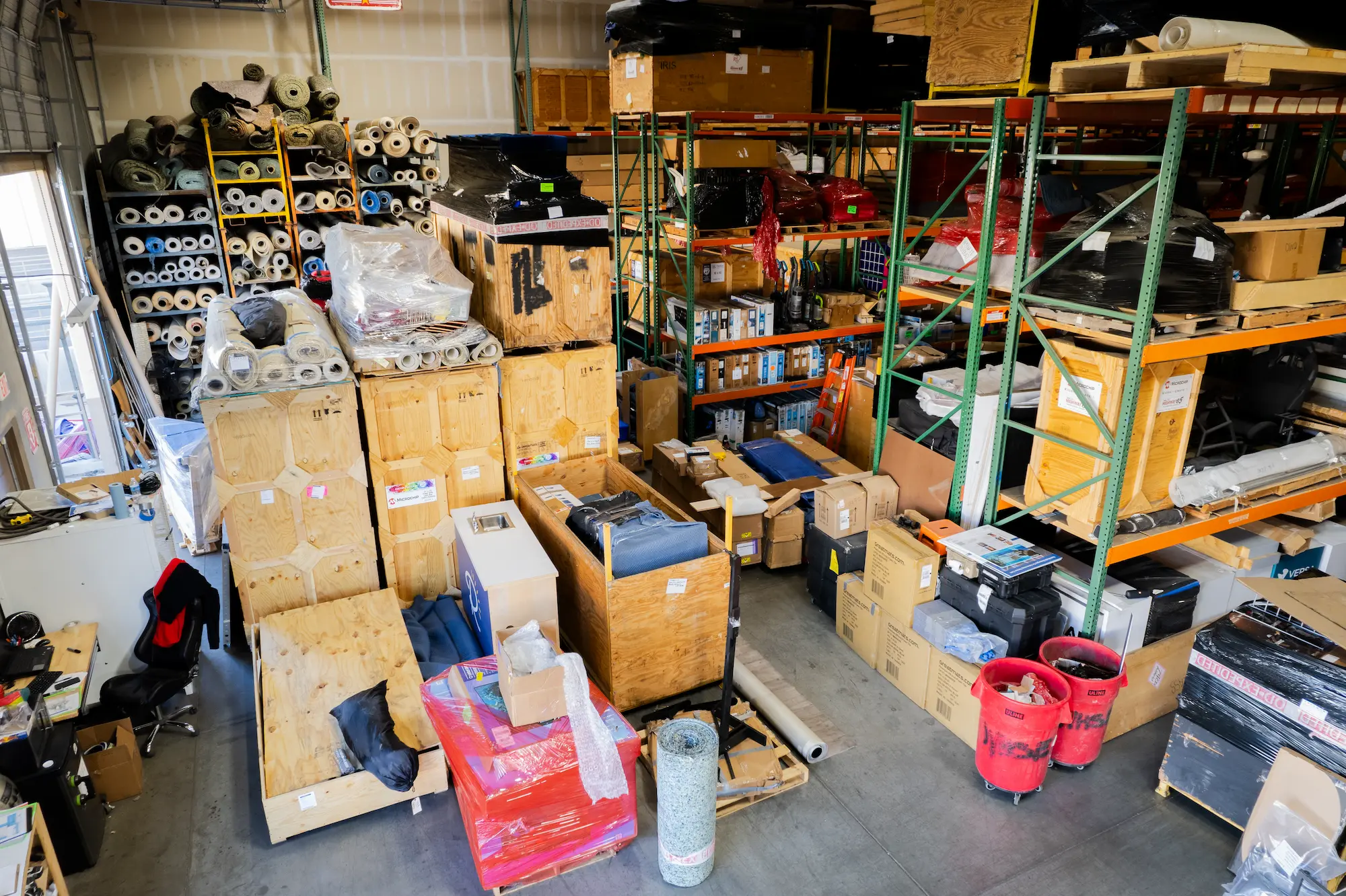
Trade show booth storage is part of what makes a custom exhibit a long-term investment rather than a one-show expense. What happens between events has a direct impact on how long the booth lasts, how much it costs to use again, and whether it shows up looking the way your team expects.
For companies with a multi-show program, storage and maintenance should be part of the booth strategy from the beginning. A booth that is packed, stored, inspected, and refreshed correctly can support your brand for years. The same planning discipline that goes into building a multi-show trade show booth needs to extend to what happens after the show closes.
Why Trade Show Booth Storage Matters
Trade show booths go through a lot. They are shipped, handled, installed, dismantled, repacked, and moved again. Even high-quality custom builds need the right care between shows.
Proper storage helps protect:
- Custom millwork
- Printed graphics
- Lighting and electrical components
- Monitors and AV equipment
- Flooring
- Product displays
- Counters, walls, and structural pieces
- Branded finishes and specialty materials
The goal is simple: keep every component show-ready and easy to find when the next event comes around. The Experiential Designers and Producers Association recommends that exhibitors establish a formal post-show inspection and storage protocol as a standard part of every trade show program to protect long-term asset value.
What Happens After the Show Ends
Once the booth comes off the floor, it should be dismantled carefully and packed according to a system. This is where good planning makes a major difference.
Each piece should be labeled, protected, and placed in the correct crate or case. Graphics need to be rolled or packed properly. Hardware should be organized so it does not get lost. Damaged pieces should be flagged right away instead of being discovered days before the next event.
For busy event teams juggling sales, marketing, leadership, and tight timelines, this level of organization matters. The booth needs to come back from trade show booth storage ready to perform, not create another problem to solve before the next event.
The Maintenance Check Between Trade Show Booth Storage Cycles
Before the booth is stored long-term, it should be inspected. This does not need to be complicated, but it does need to be consistent.
A basic booth maintenance check should include:
- Are any panels scratched, chipped, or dented?
- Are graphics outdated, wrinkled, or damaged?
- Are lights, monitors, and electrical components working?
- Is hardware missing?
- Do counters, doors, shelves, or displays need repair?
- Are crates still in good condition?
- Does anything need to be cleaned or refinished?
Catching these issues early gives your team time to fix them before the next deadline.
When to Refurbish a Custom Trade Show Booth
Refurbishment is not the same as starting over. In many cases, the main booth structure still works, but certain pieces need to be updated.
A booth may need refurbishment when your company has a new product launch, updated messaging, a rebrand, worn finishes, or a different booth size at the next show. Common updates include new graphics, fresh paint or laminate, repaired millwork, updated lighting, new demo areas, or revised product displays.
This keeps the booth current without wasting the investment already made. The same material and finish decisions covered in how material and finish choices define booth quality affect how easy or difficult those updates are, since some finishes are far more practical to refresh than others.
Trade Show Booth Storage Should Support the Next Show
Good storage is not just about putting the booth away. It is about making the next show easier.
Ideally, your team should not be guessing which crate has the reception counter or whether the backlit graphics are still usable. A fabrication partner who manages storage as part of the program removes that uncertainty and makes the next show easier to prepare for.
Quick Checklist: How to Store and Maintain a Custom Trade Show Booth
Before your booth goes into storage, confirm:
- Every component is labeled and inventoried
- Graphics are protected from moisture and damage
- Hardware is organized and accounted for
- Repairs are documented
- AV and lighting are tested
- Crates are inspected
- Refresh needs are identified before the next show
A custom trade show booth is a long-term brand asset. With the right trade show booth storage, maintenance, and refurbishment plan, it can keep showing up strong across your trade show calendar instead of becoming a last-minute problem before every event. If you want a fabrication partner who manages the full lifecycle of your exhibit, explore what Highway 85 builds or connect with our team to start the conversation.