


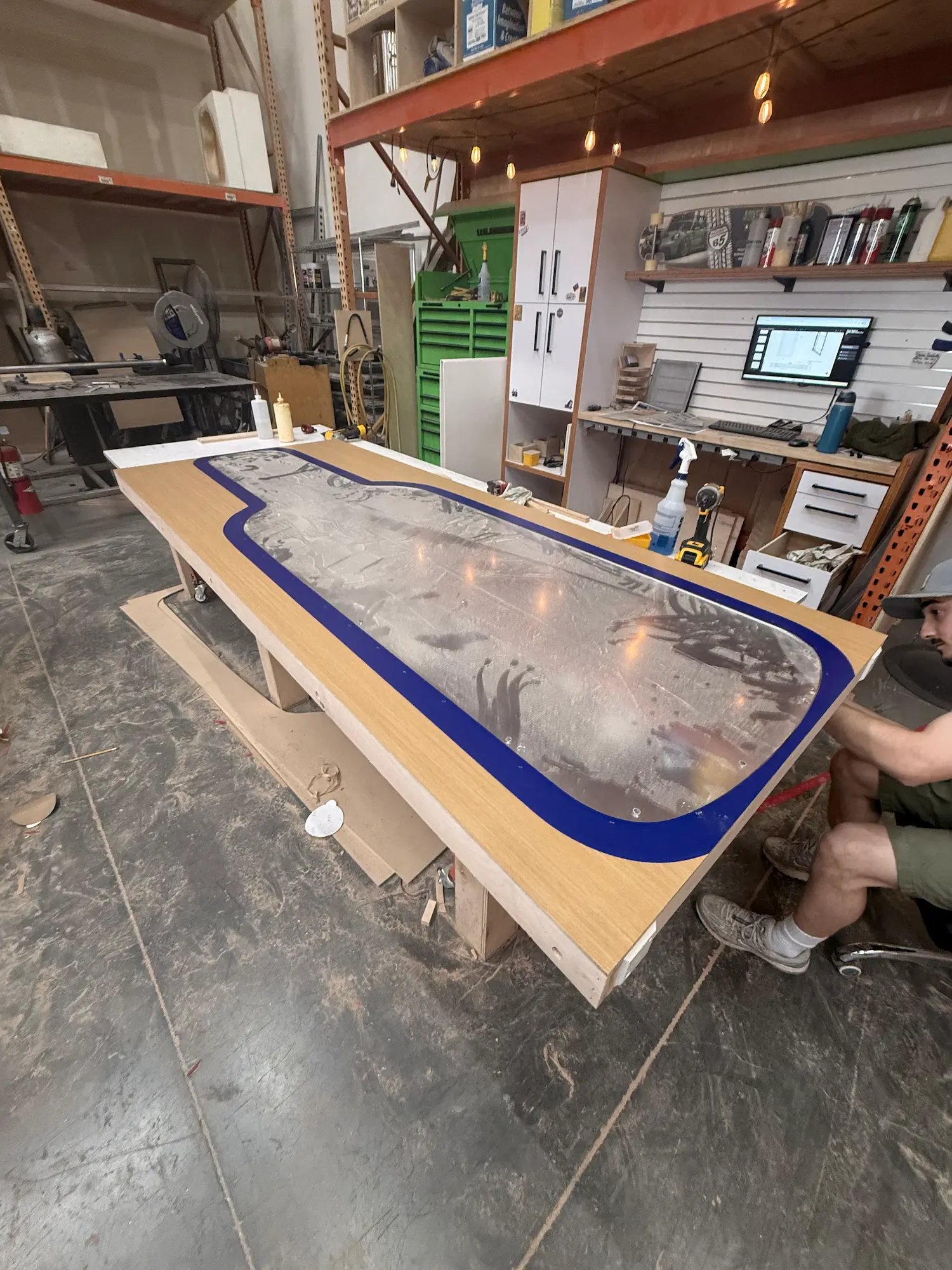
Trade show booth materials are one of the first things people notice in a custom exhibit, even if they cannot name exactly what they are responding to. A booth can have a strong layout and impressive graphics, but if the materials feel flimsy or the finishes look rushed, the whole experience feels less credible.
For a custom exhibit, material choices are not just about looks. They affect durability, shipping, installation, storage, reuse, maintenance, and how well the booth represents the brand on a busy show floor. Getting this right is part of the same precision that drives strong trade show booth engineering, where structural and material decisions have to work together from the start.
What Trade Show Booth Materials Are Used in Custom Fabrication?
Custom trade show booths often use a combination of structural, decorative, and functional materials. The right mix depends on the booth size, budget, show schedule, brand standards, and how often the exhibit will be reused.
Common materials include:
- Wood and plywood: Used for walls, counters, platforms, storage areas, and custom architectural elements.
- Metal: Often used for framing, supports, railings, hanging signs, and high-strength structural details.
- Acrylic and plastics: Used for dimensional logos, product displays, lightboxes, shelving, and protective surfaces.
- Laminates: Popular for counters, walls, workstations, and areas that need a clean, durable finish.
- Fabric and tension graphics: Used for large graphic areas, backwalls, hanging elements, and lightweight branded features.
- Glass or clear panels: Used for display cases, partitions, product showcases, and premium visual moments.
- LED lighting and integrated AV materials: Used to support digital storytelling, demos, and attention-grabbing booth features.
- Flooring materials: Carpet, vinyl, raised flooring, wood-look surfaces, rubber flooring, or specialty finishes depending on the booth experience.
The best booths usually combine multiple materials in a way that feels intentional. That combination is shaped by booth size, budget, show schedule, and reuse goals, which is why material selection belongs in the custom trade show booth design process from the earliest stages rather than after the structure is already designed.
Why Finish Quality Matters in Trade Show Booth Materials
Finishes are where fabrication quality becomes visible. A finish can make a booth feel polished, premium, rugged, modern, warm, technical, or approachable. It can also reveal mistakes quickly.
Poor finish choices can lead to scratched counters, peeling edges, warped panels, glare from lighting, visible seams, or graphics that do not sit cleanly. These details matter because trade show booths are viewed up close. Attendees lean on counters, walk through spaces, touch displays, and compare brands side by side.
Strong finish planning helps create a booth that looks good from the aisle and holds up under real use. It also protects the investment made in custom trade show fabrication, where a poorly finished surface can undermine even the strongest structural and design work.
How Trade Show Booth Materials Affect Booth Performance
Material selection impacts more than the final appearance. It affects how the booth performs before, during, and after the event.
A well-planned material strategy can help with:
- Durability: High-touch surfaces need to handle traffic, cleaning, shipping, and repeated setup.
- Weight: Heavy materials may feel premium, but they can increase freight, labor, and install complexity.
- Modularity: Smart material choices make it easier to resize or reconfigure a booth for future shows, which is one of the most practical ways to extend the value of a custom exhibit investment across multiple events.
- Repairability: Some finishes are easier to touch up or replace than others.
- Storage: Fragile or oversized materials may require more careful packing and more storage space.
- Brand consistency: Materials should support the brand’s look without forcing the booth into a trend that will age quickly.
This is especially important for teams that need clear value and long-term reuse from their exhibit investment. The wrong material choice made at the design stage can create maintenance, weight, and storage problems that compound across every show the booth attends.
Material and Finish Questions to Ask Before Fabrication
Before approving a custom booth design, ask:
- Will this material survive multiple shows?
- Is the finish appropriate for high-touch areas?
- How will this material ship, pack, and store?
- Can damaged pieces be repaired or replaced quickly?
- Does this finish match the brand’s quality level?
- Will lighting change how the material looks in the booth?
- Is the material choice helping the booth perform, or just making it look interesting?
These questions help separate a booth that only looks good in a rendering from one that works in the real world. The Experiential Designers and Producers Association publishes material performance standards for trade show exhibits that can help teams evaluate finish durability and shipping suitability before production begins.
The Bottom Line
Material and finish choices define the quality of a custom trade show booth because they affect both perception and performance. They influence how the booth looks, how long it lasts, how easily it installs, and how confidently the team can use it again.
A strong custom booth is not built from random premium materials. It is built from the right trade show booth materials, finished the right way, for the way the booth will actually be used. If you want a fabrication partner who treats material selection as a strategic decision rather than a checklist item, explore what Highway 85 builds or connect with our team to start the conversation.