

Memorable trade show exhibit design does more than look good. It stops traffic, tells people what you do fast, creates a reason to step in, and makes the sales conversation easier. A memorable booth gives attendees a clear visual hook, a strong brand message, smart traffic flow, and an experience worth remembering after they leave the aisle.
A forgettable booth usually makes the same mistake: it treats design like decoration instead of strategy. Nice graphics, clean counters, and decent lighting are not enough if no one knows why they should care. The gap between a good-looking booth and a high-performing booth is where trade show ROI lives or dies.
That is the real question behind memorable trade show exhibit design. It is not one magic material, one giant LED wall, or one trendy activation. It is the way every piece of the exhibit works together to attract the right people, qualify them faster, and give your team a better shot at turning conversations into pipeline.
Memorable Trade Show Exhibit Design Is Built Around One Clear Idea
The strongest trade show booths do not try to say everything. They pick one message and punch it hard.
Attendees are moving fast. They are scanning logos, dodging crowds, checking schedules, and deciding in seconds whether your booth is worth their time. If your exhibit is loaded with five product messages, three taglines, twelve graphics, and a wall of text, you have already lost them.
A memorable exhibit answers three questions fast:
- Who are you?
- What do you do?
- Why should someone stop?
That does not mean your booth has to be simple or boring. It means the design needs a hierarchy. The big idea should hit first. Supporting details can come later through demos, sales conversations, touchscreens, product displays, or printed materials.
Forgettable booths make attendees work too hard. Memorable booths do the heavy lifting for them. This is the same messaging hierarchy principle covered in brand strategy and trade show exhibit design, where the big idea has to be established before any visual or structural decisions are made.
Looking Good Is Not the Same as Performing Well
A booth can photograph beautifully and still fail on the floor. That is the part brands do not always want to hear.
A pretty booth that blocks traffic, hides the sales team, buries the product, or creates awkward dead zones is not a success. It is expensive scenery. Real exhibit design has to balance brand presence with function.
Performance comes down to practical questions like:
- Can people tell what you do from the aisle?
- Is there a natural place to enter?
- Are demo areas easy to access?
- Can staff start conversations without trapping people?
- Is storage hidden but usable?
- Are private meeting spaces actually private?
- Does the booth support your sales goals, or just your mood board?
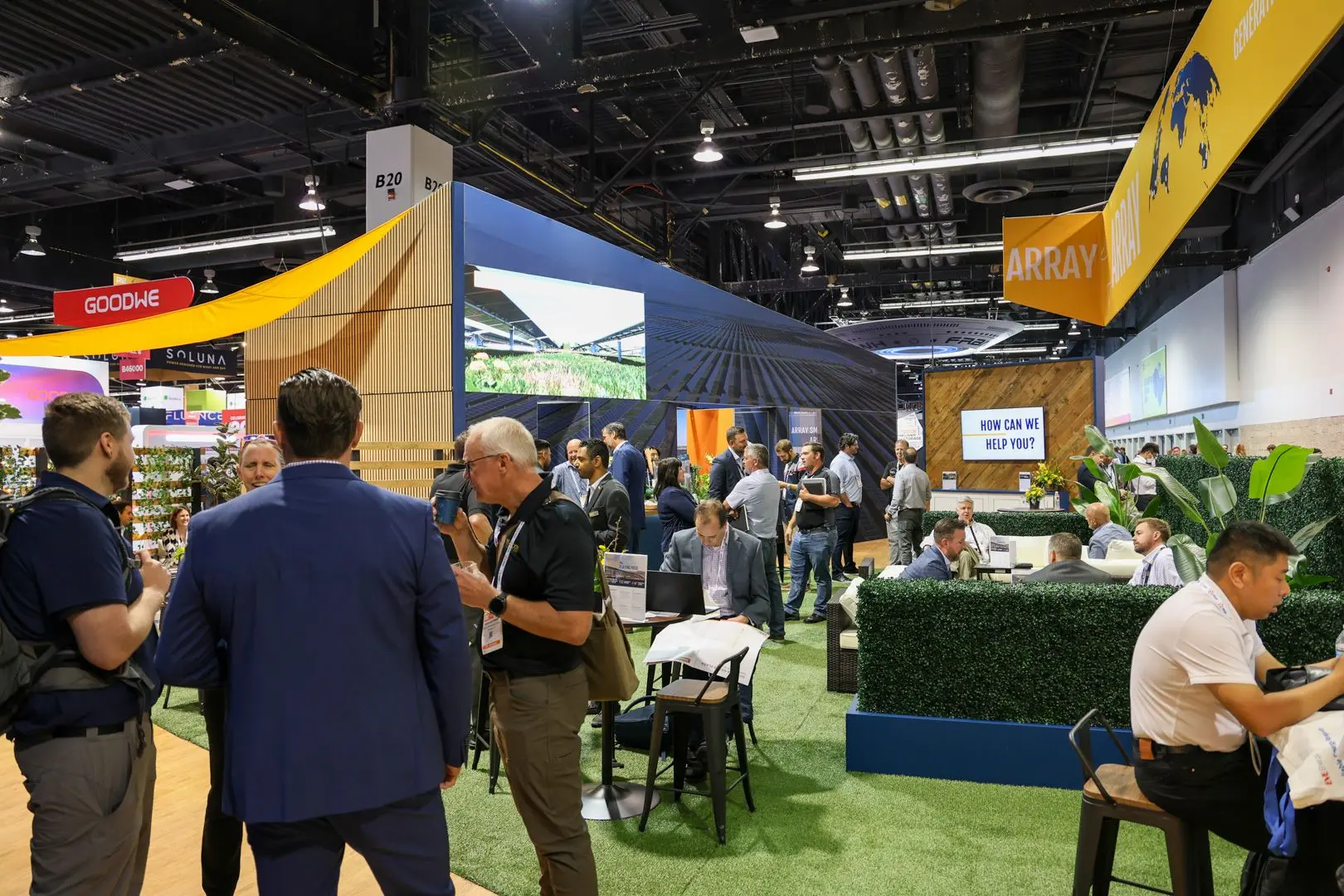
This is where design gets serious. The best memorable trade show exhibit design does not just win attention. It controls movement, supports conversations, and removes friction. The full framework for evaluating whether a booth layout actually performs is covered in how to design a trade show booth for traffic flow.
The Most Memorable Trade Show Exhibit Designs Create a Reason to Stop
Attention is not automatic. You have to earn it.
A memorable booth gives people a reason to pause before a salesperson ever speaks. That reason might be a product demo, a bold structure, an interactive moment, a killer lighting feature, a strong material choice, or a visual statement that does not look like everything else in the hall.
But here is the catch: the stop factor has to connect to the brand. Random gimmicks get people in the booth for the wrong reason. A prize wheel might draw a crowd, but if no one remembers what you sell, congratulations, you built a carnival game.
Strong booth engagement should tie directly to the story you want people to remember. If you are launching a product, make the product impossible to miss. If you are repositioning the brand, create an environment that feels like the new direction. If you need better lead quality, design the booth to invite the right conversations instead of collecting badge scans from anyone with a pulse.
Traffic Flow Can Make or Break the Experience
Bad traffic flow kills good design.
If people cannot figure out where to enter, where to stand, or who to talk to, they will keep walking. If your team is boxed behind counters, they will look unavailable. If the booth is too closed off, it may feel exclusive in the worst way. If it is too open, it may feel empty and unanchored.
A high-performing booth thinks through movement before anything gets built. Open corners, clear entry points, smart demo placement, and visible staff zones all matter. So does the balance between public engagement and private conversation.
For smaller booths, every square foot has to work hard. For larger exhibits, the challenge is cohesion. You need zones that feel connected, not a random collection of features. Either way, the floor plan should support the way your team actually sells.
Design that ignores traffic flow becomes a bottleneck. Design that respects it becomes a sales tool.
Materials, Lighting, and Scale Send a Message Fast
People judge booth quality instantly. They may not know what material your counter is made from, but they can feel when something looks cheap, flat, or thrown together.
That does not mean every booth needs the most expensive finish available. It means the materials need to match the message. A premium brand cannot show up with flimsy structures and dim lighting. A tech company cannot rely on static walls and expect to feel innovative. A bold challenger brand cannot blend into a beige sea of rented sameness.
Lighting is one of the biggest difference-makers. It creates focus, depth, and drama. It can pull attention to products, make graphics pop, and give the booth energy from across the aisle. Scale matters too. Height, dimensionality, overhead elements, and layered architecture all help a booth command space instead of politely existing in it.
Forgettable booths sit there. Memorable booths own their footprint. The decisions that drive that quality are covered in how material and finish choices define booth quality and why trade show exhibit lighting shapes the design experience, where the right combination of substrates, finishes, and light creates the credibility attendees notice even when they cannot name exactly why.
The Design Has to Match the Budget and Timeline
Great exhibit design still has to live in the real world. Budget, show rules, shipping, labor, storage, install time, and venue restrictions all affect what is possible.
That is not a buzzkill. That is the job.
A smart design partner will help you understand the tradeoffs early. Custom fabrication can create a stronger brand presence, but it requires more lead time and budget. Modular elements can help with flexibility and reuse, but they still need a strong design concept to avoid looking generic. Large structures create impact, but they may increase freight, drayage, and labor costs. Interactive technology can be powerful, but only when it is reliable, staffed, and tied to a clear goal.
The most painful exhibit mistakes usually happen when brands fall in love with a concept before pressure-testing it against production reality. A memorable trade show exhibit design is not just imagined well. It is engineered, built, shipped, installed, and run well. Understanding what drives custom trade show booth cost before the design is locked helps teams make those tradeoffs with confidence rather than discovering them at the worst possible moment.
A Quick Checklist for a Booth That Actually Stands Out
Before approving a trade show exhibit design, pressure-test it with these questions. For a more comprehensive planning tool that covers all of these areas in one place, download the Highway 85 Trade Show Exhibit Design Checklist.
- Is the main message clear from the aisle?
- Does the booth have one strong visual hook?
- Are the entry points obvious and inviting?
- Is the product, demo, or offer easy to understand?
- Can the sales team work the space naturally?
- Are meeting, storage, and hospitality needs accounted for?
- Does the design support the actual show goals?
- Can it be built within the budget and timeline?
- Will it still work after shipping, install, and show-floor chaos?
If the answer is no to any of these, fix it before the booth hits the floor. The trade show floor is not the place to discover that your design only looked good in a rendering.
Memorable Trade Show Exhibit Design Is Built With Intent
The difference between a memorable booth and a forgettable booth is not taste. It is intent.
Memorable booths are built to perform. They know who they are trying to attract, make the message obvious, give people a reason to stop, help the sales team do their job, and account for real-world costs and timelines before the first crate leaves the shop. If your exhibit needs to stand out, it has to be designed like it has a job to do. If you are ready to build that kind of booth, explore Highway 85’s trade show capabilities or connect with our team to start planning.