


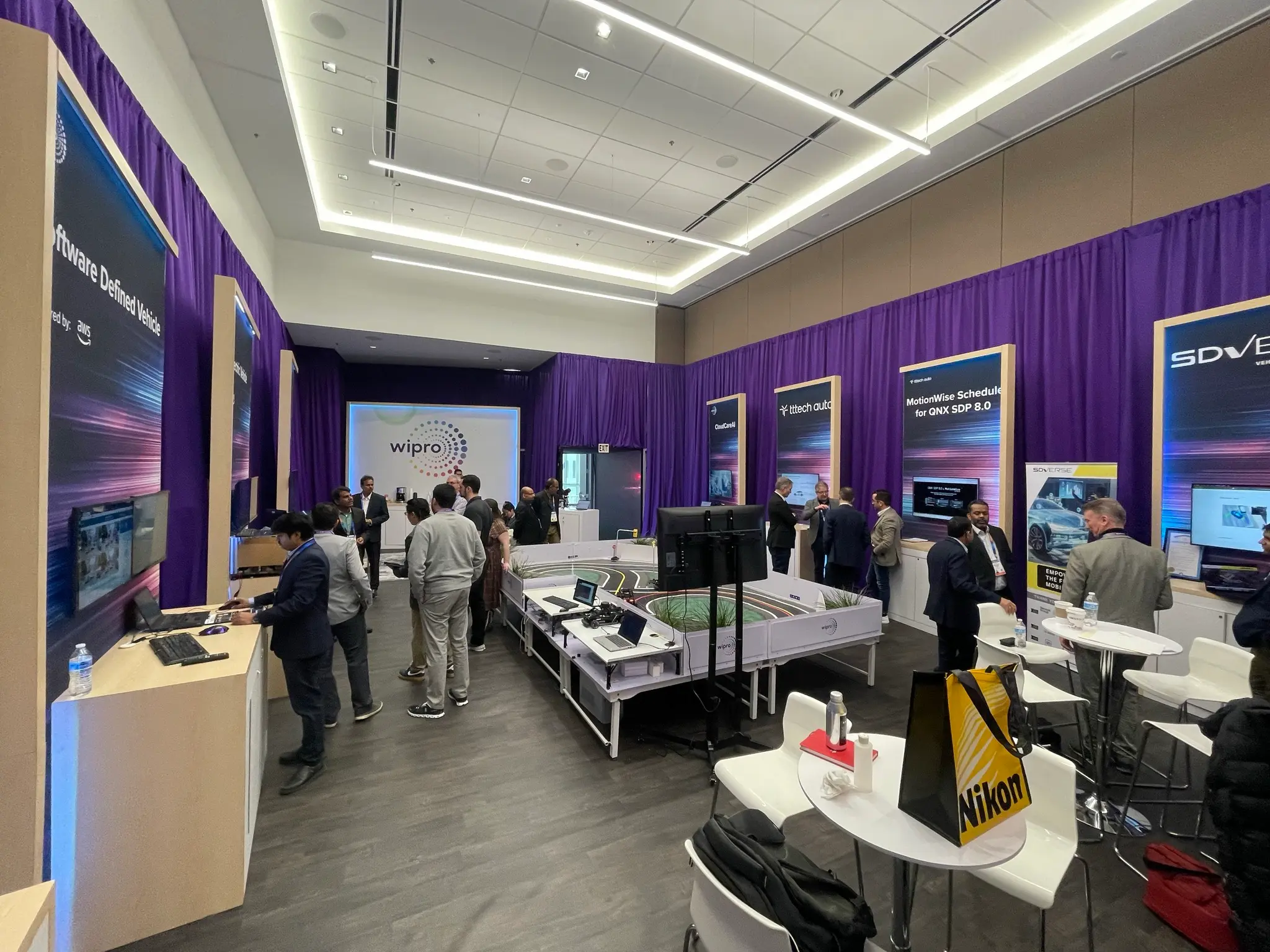
Internal vs external corporate events require fundamentally different approaches to strategy, design, and execution. Internal events are built to energize employees, reinforce culture, and align teams. External events are designed to impress, attract, and convert audiences outside the company. Because the goals are different, the strategy and design behind the event must shift as well.
How should design and strategy change based on audience type? It starts with understanding what each group needs. Internal events focus on clarity, engagement, and connection. External events focus on brand perception, storytelling, and creating memorable moments. When the audience changes, the event should change with it.
When the audience changes, the event should change with it. Messaging, layout, visuals, and even pacing need to reflect who the event is for and what you want them to take away.
Internal vs External Corporate Events: Why Audience Drives Everything
Every strong corporate event starts with the same question: who is this for?
Internal audiences already know the company. They understand the products, the people, and the culture. External audiences usually do not. They are experiencing the brand in real time and forming opinions quickly. According to PCMA, audience alignment is one of the most cited factors in measuring corporate event success, making it a foundational element of any event plan.
This changes how the event should be structured.
Internal events need to:
- Communicate information clearly
- Encourage participation
- Reinforce culture and team alignment
External events need to:
- Capture attention quickly
- Present the brand in a clear and memorable way
- Guide attendees toward a specific action or perception
When the audience drives the strategy, every design choice becomes easier to make.
Designing Internal Corporate Events
Internal events should feel purposeful and energizing. These are the moments where leadership communicates direction and teams reconnect with the bigger picture.
Focus on Clarity and Communication
Internal audiences want useful information. The event environment should make it easy to follow presentations and absorb key messages.
Design elements that support this include:
- Large, clear presentation screens
- Clean stage design
- Simple branded graphics
- Layouts that keep attendees focused on speakers
Too much visual distraction works against the goal. The design should support the message, not compete with it.
Create Spaces for Interaction
Internal events benefit from environments that encourage conversation and collaboration.
This can include:
- Breakout areas for team discussions
- Interactive displays
- Networking zones
- Flexible seating arrangements
When employees move, talk, and participate, the event becomes more memorable and more productive. This is where corporate event attendee engagement becomes a core design consideration rather than an afterthought.
Reinforce Company Culture
Internal events are one of the strongest tools for building culture. Design elements should reflect how the company wants employees to feel.
Lighting, messaging walls, branded installations, and storytelling visuals can reinforce themes like innovation, growth, or teamwork. The environment should feel like an extension of the company itself.
How Internal vs External Corporate Events Differ in Design
External events operate differently. Every element should help shape how the audience perceives the brand.
This is where design becomes a powerful strategic tool.
Lead With the Brand Experience
External attendees are encountering the company as an outsider. Strong corporate event branding, immersive displays, and high-impact entrances communicate who the company is before anyone speaks a word. The environment should feel polished, intentional, and distinctive.
Design strategies that help accomplish this include:
- Strong brand visuals
- Immersive displays
- Signature architectural elements
- High-impact entrances or focal points
The environment should feel polished, intentional, and distinctive.
Build for Discovery
External audiences explore differently than employees. They move through spaces, notice details, and decide where to spend time.
The event layout should support that behavior.
Clear pathways, visual anchors, and custom builds for corporate events guide people through the experience. Interactive product demos, storytelling displays, and branded moments encourage people to stop, engage, and learn more.
Design for Shareable Moments
External events benefit from visual features that attendees want to photograph and share.
This might include:
- Bold installations
- Branded feature walls
- Unique lighting effects
- Interactive activations
These moments extend the event’s reach beyond the room and are a core output of experiential design for corporate events. Attendees become ambassadors for the brand experience.
How Messaging Differs Between Internal vs External Corporate Events
The way information is delivered also changes depending on the audience.
Internal messaging can go deeper. Teams want context, updates, and strategic direction. Presentations often focus on performance, goals, and collaboration.
External messaging needs to be clear and immediate. Attendees should quickly understand the value the company provides. Visual storytelling becomes more important than long explanations.
A strong corporate event theme anchors both approaches, giving internal and external events a clear narrative thread that makes every message feel intentional.
Production and Energy Levels Differ Between Internal and External Events
The pacing and energy of an event also shift depending on who is attending.
Internal events often benefit from structured agendas that balance presentations with engagement opportunities. Attendees expect clear takeaways and practical insights.
External events thrive on energy and atmosphere. Lighting design, stage production, and visual elements should create excitement and curiosity.
The goal is to keep the audience engaged while reinforcing the brand’s personality. Reliable corporate event AV keeps internal sessions clear and focused, while a skilled corporate event production partner ensures external events have the energy and atmosphere they need. Building both into your corporate event planning timeline early prevents last-minute production gaps.
Strong Internal vs External Corporate Events Start With the Right Strategy
The biggest mistake companies make is treating internal and external events the same. When the design and strategy do not match the audience, the event feels disconnected from its purpose.
Great events feel intentional because every element supports the goal of the gathering.
Internal events build alignment and strengthen culture. External events shape perception and create brand experiences that people remember.
Understanding how corporate event strategy and design change based on the audience makes it easier to design events that actually deliver results.
Build Events That Work for the Audience in the Room
Whether you are planning an employee summit, leadership meeting, product launch, or client event, the audience should always guide the design. Your corporate event should feel like it was built specifically for the people in the room, because it was. Connect with the Highway 85 team to start building an approach that matches your audience and your goals.