


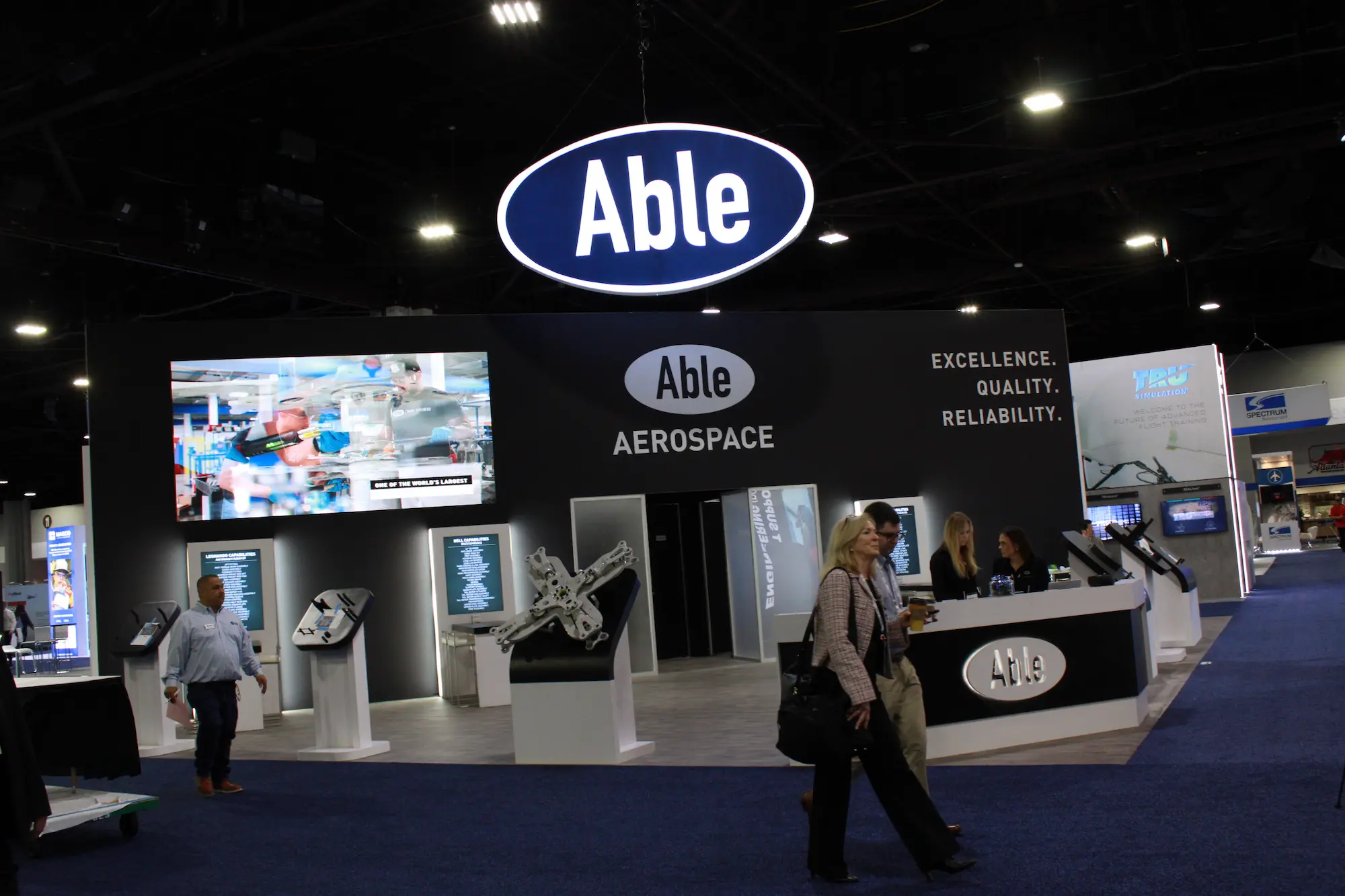
Company size changes your trade show budget because it changes what your booth needs to do, how much complexity your team can manage, and how much money you can realistically put behind the event. Understanding what a trade show budget actually includes is the starting point for any company, but how that budget gets allocated looks very different depending on the scale of the organization and the goals behind the program.
For small and midsize businesses, the priority is usually efficiency. Every dollar needs to work harder, assets need to be reusable, and unnecessary complexity can wreck the budget fast. Enterprise companies typically have more room to invest in larger footprints, custom fabrication, technology, hospitality, and multi-show programs, but that comes with more stakeholders, more logistics, and more opportunities for costs to spiral.
The right trade show budget is not just about how big your company is. It is about what you need the show to accomplish.
SMB Trade Show Budgets: Stretch the Spend
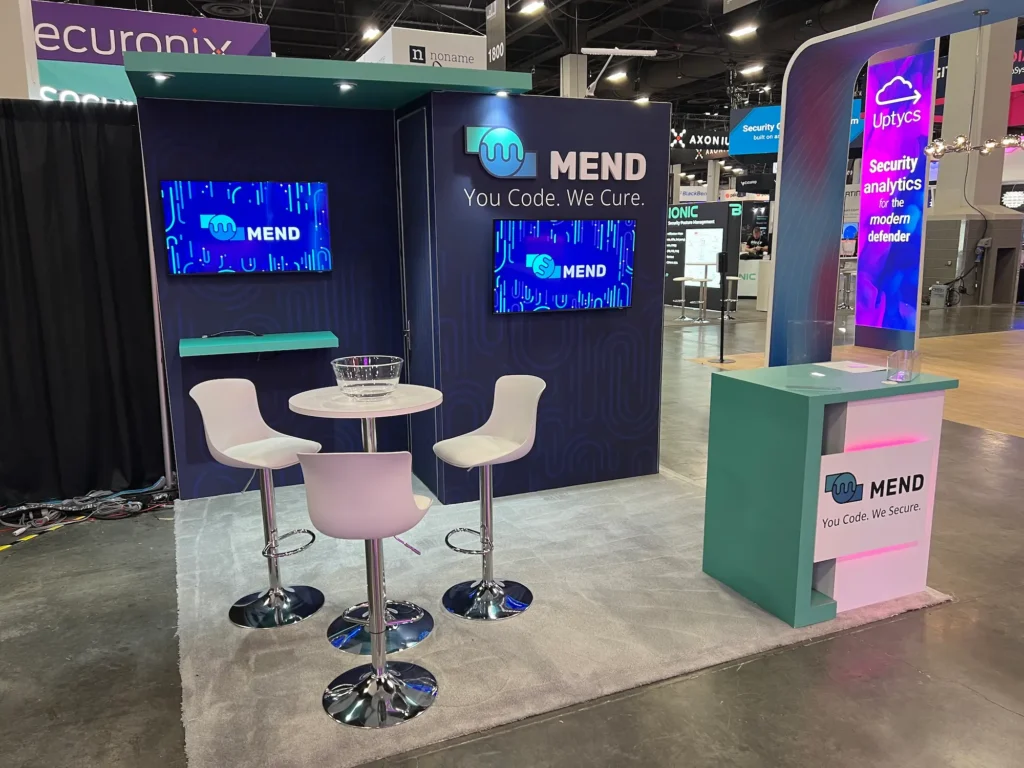
For an SMB, one trade show can take a serious bite out of the annual marketing budget. There is less room for wasted spend, last-minute changes, or a booth that looks impressive but does not generate useful conversations.
That means the goal should not be to look like the biggest company on the floor. The goal is to look sharp, credible, and worth stopping for.
SMBs often get more value from:
- Smaller booth footprints with strong messaging
- Modular or rental exhibit components
- Reusable graphics and structures
- Fewer, higher-priority trade shows
- Focused booth staffing
- Simple technology with a clear purpose
A smaller booth does not automatically mean a small bill. Booth space is only one part of the total trade show budget. Freight, labor, electrical, internet, travel, hotels, graphics, material handling, and show services can stack up quickly.
That is why SMB budgets need to be built around the full event, not just the exhibit itself. The trade show budget breakdown covers every line item that belongs in an SMB budget alongside fabrication, where freight, labor, electrical, and show services consistently represent a larger share of the total spend than first-time exhibitors expect.
Enterprise Trade Show Budgets: Bigger Scale, Bigger Complexity
Enterprise companies can typically invest more, but they are also asking the booth to do more.
A large exhibit may need to support product demonstrations, private meetings, hospitality, executive conversations, content creation, lead generation, and multiple internal teams at the same time.
That can mean spending on:
- Larger island or peninsula exhibits
- Fully custom fabrication
- Premium finishes and materials
- Integrated lighting, AV, and interactive technology
- Private meeting spaces
- Overhead signage and rigging
- Larger booth teams
- Storage and refurbishment
- Multiple configurations for different shows
More budget opens more doors. It also creates more ways for costs to get out of control.
Enterprise budgets need more than purchasing power. They need coordination. The same cost drivers that catch smaller exhibitors off guard also show up at enterprise scale, just with more of them and higher stakes when something goes wrong. The hidden trade show costs nobody budgets for apply to enterprise programs as much as to first-time exhibitors, often with larger dollar amounts attached.
Company Size Changes More Than Booth Size
This is where a lot of companies get trade show budgeting wrong.
Company size does not simply determine square footage. It changes how the entire program operates.
At a smaller company, one marketing manager may be handling vendors, travel, registration, shipping, graphics, sales requests, and booth logistics. Adding five more vendors to save a little money on individual line items can create a giant operational headache.
For that team, simplicity has value.
At an enterprise company, the challenge looks different. There may be event teams, procurement departments, agencies, sales leaders, executives, product teams, and brand managers involved in one exhibit.
That makes communication, consistency, documentation, and reliable execution critical.
The smartest budget accounts for the amount of complexity your team can realistically support. For SMBs, that often means fewer vendors and simpler logistics. For enterprise teams, it means documented processes, clear approval chains, and a fabrication partner who can manage multiple programs without requiring the internal team to micromanage every detail.
What Should Every Trade Show Budget Include Regardless of Company Size?
No matter your company size, build the budget around the entire event.
A realistic trade show budget should account for:
- Booth space
- Exhibit design, fabrication, or rental
- Graphics
- Freight and shipping
- Material handling
- Installation and dismantle labor
- Electrical and internet
- AV and technology
- Travel and accommodations
- Booth staffing
- Lead capture
- Pre-show and on-site marketing
- Storage
- Contingency
And do not ignore deadlines.
Advance-order pricing can make a meaningful difference on show services. Late orders, rushed production, and last-minute changes can turn a manageable budget into an ugly one.
Translation: procrastination costs money.
Where Should SMBs and Enterprises Spend More?
SMBs should spend more where attendees can actually feel the difference. Strong messaging, good graphics, quality materials, smart lighting, and a booth layout built for conversation can go much further than adding expensive features just to fill space.
Enterprise companies often need to invest deeper in functionality. Their exhibit may need to support larger teams, multiple experiences, customer meetings, demonstrations, and a full calendar of events.
But bigger budgets do not excuse pointless spending. A booth does not win because it cost more. It wins because the money was spent intentionally. The framework for justifying a trade show budget to leadership applies equally at both scales, where every major expense needs to connect to a business outcome rather than a desire to look impressive.
So, How Much Should Your Company Spend?
There is no perfect trade show budget based only on employee count or annual revenue.
A better way to think about it is:
Company size + event goals + booth requirements + show costs + annual event volume = a realistic trade show budget.
SMBs usually need efficiency, flexibility, and reusable assets. Enterprise companies often need scale, customization, consistency, and stronger operational support. Either way, the smartest move is getting the complete picture before design and fabrication start. If you want a fabrication partner who builds with your company’s actual budget and complexity in mind, explore Highway 85’s trade show capabilities or connect with our team to start planning.