


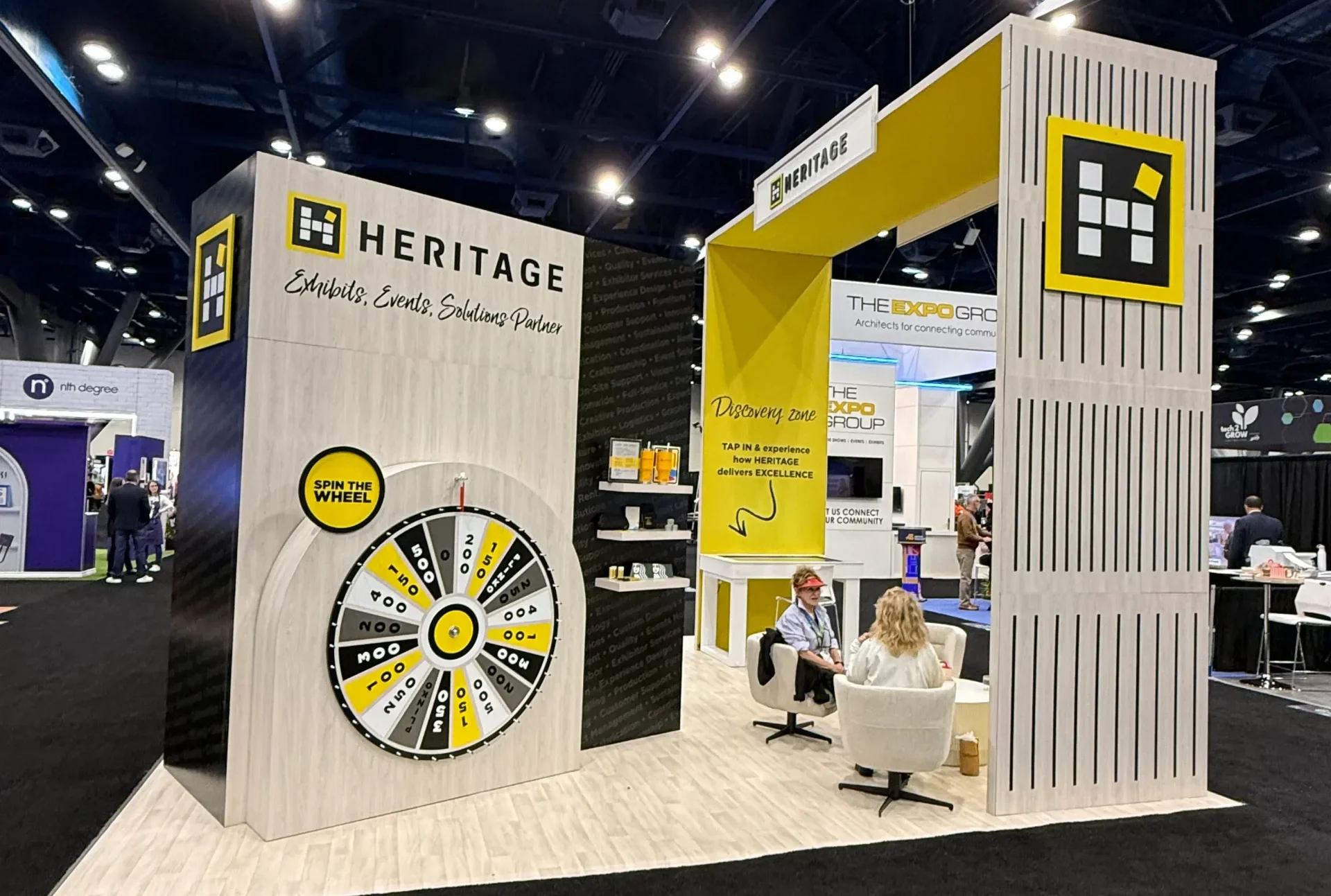
At a glance, a trade show booth is a trade show booth. Walls go up, graphics go on, lights turn on, and the doors open. But once you’re on the show floor, the difference between a high-quality exhibit and a lower-cost build becomes obvious fast. One feels solid, intentional, and easy to engage with. The other feels rushed, flimsy, or unfinished.
So what actually separates high-quality trade show exhibits from lower-cost builds? It comes down to planning, materials, fabrication, logistics, and execution. High-quality exhibits are designed and built to perform under real show conditions. Lower-cost builds often focus on upfront savings, which can lead to compromises that show up during install, throughout the event, or after just a few uses.
At Highway 85, we’ve worked on both sides of that equation. The difference is not just how a booth looks, but how it installs, how it holds up, and how it supports your brand on the show floor.
It Starts With Planning, Not Price
The first difference shows up long before anything is built.
High-Quality Builds Are Planned for Reality
High-quality trade show exhibits start with real questions:
- How many shows will this booth do?
- How fast does it need to be installed?
- What rules and labor conditions apply at each venue?
These answers guide the design and build decisions from the beginning. The goal is not just to create something eye-catching, but something that works show after show.
Lower-Cost Builds Are Often Designed in a Vacuum
Lower-cost exhibits are usually designed to hit a price point first. Planning often comes second. That can lead to designs that look fine on paper but create challenges once they hit the show floor.
Materials Make a Bigger Difference Than Most People Think
Materials are one of the clearest separators between high-quality and low-cost exhibits.
Built to Last Vs. Built to Get Through One Show
High-quality exhibits use materials chosen for durability, stability, and repeat use. That means:
- Stronger framing systems
- Finishes that hold up during shipping and handling
- Hardware that can be assembled and disassembled without wearing out
Lower-cost builds often rely on lighter materials and shortcuts that may look fine initially but break down faster.
How It Feels Matters
Attendees may not know what materials were used, but they can feel the difference. Solid walls, clean edges, and stable structures all contribute to a booth that feels professional and trustworthy.
Fabrication Quality Shows Up on Install Day
Fabrication is where a lot of problems either disappear or show up.
Precision Fabrication Keeps Installs Smooth
High-quality trade show exhibits are fabricated with precision. Components are test-fitted, tolerances are tight, and everything is built to go together the way it was designed.
This leads to faster installs, fewer adjustments, and less stress during move-in.
Lower-Cost Fabrication Creates Onsite Fixes
Lower-cost builds often skip test fitting or use less precise fabrication methods. That can result in parts that do not align correctly or require fixes onsite, where time and labor are limited.
Logistics and Packaging Are Not an Afterthought
Shipping and handling are part of the exhibit’s life cycle.
Designed to Ship Safely
High-quality exhibits are packaged with transportation in mind. Crates are labeled, components are protected, and loading sequences are planned so install crews can work efficiently.
Damage Risk Increases With Cheaper Builds
Lower-cost exhibits are more likely to arrive with damaged components or graphics because packaging and crating were not prioritized. That creates delays and compromises presentation.
Install and Dismantle Experience Matters
What happens during install and dismantle affects both cost and performance.
Built for Efficient Install
High-quality exhibits are designed to go up and come down efficiently. That reduces labor hours and minimizes the chance of mistakes during setup.
Friction Adds Up Fast
Lower-cost builds can take longer to install, require more labor, or create confusion during dismantle. Those issues increase costs over time and add unnecessary pressure to your team.
Longevity Is Where the Real Value Shows Up
One of the biggest differences between high-quality and low-cost exhibits is how long they stay effective.
High-Quality Exhibits Scale and Evolve
Well-built exhibits can be refreshed with new graphics, reconfigured for different booth sizes, and used across multiple events. That flexibility extends the life of the investment.
Lower-Cost Builds Have a Shorter Shelf Life
Exhibits built to minimize upfront cost often need replacement sooner. Wear and tear, damage, or limited adaptability can make them unusable after only a few shows.
Brand Perception Is Always on Display
Your booth is a physical extension of your brand.
Quality Signals Confidence
A high-quality trade show exhibit communicates intention, credibility, and professionalism. It creates an environment where your team feels confident and attendees feel comfortable engaging.
Inconsistencies Are Noticed
Even small issues like uneven seams, worn graphics, or unstable elements can distract from your message and impact how your brand is perceived.
What It Really Comes Down To
The difference between high-quality trade show exhibits and lower-cost builds is not just the price tag. It is how well the exhibit performs over time, how smoothly it installs, and how confidently it represents your brand.
High-quality exhibits are built with the full picture in mind. Lower-cost builds focus on getting to the show. One is designed to last. The other is designed to get through.
Ready to Build It Right?
If you want a trade show exhibit that installs clean, holds up over time, and shows your brand at its best, let’s talk. Highway 85 builds high-performance trade show exhibits that work in the real world. When you are ready to invest in quality that lasts, we are ready to build.