


The biggest hidden trade show costs are drayage, storage, labor, overtime, electrical service, internet, freight handling, and last-minute orders. These expenses are not always included in the initial booth quote, but they can add thousands of dollars to the final bill.
That is why a trade show budget can look reasonable at the start and fall apart once the invoices arrive. The booth gets most of the attention. The hidden charges show up later through service forms, freight bills, labor tickets, and venue fees. Understanding the full trade show budget breakdown before committing to a show is what separates teams that finish within budget from those who spend the weeks after explaining cost overruns.
If you want a realistic budget, plan for the costs nobody puts in the rendering.
Why Hidden Trade Show Costs Are Easy to Miss
Trade shows involve multiple vendors, contractors, venues, and deadlines. The company building the exhibit may not handle freight. The venue may control electricity. A general service contractor may handle material movement. Local labor rules may determine who can install certain elements.
That means the first number you see is rarely the final number.
A booth quote may cover design, fabrication, graphics, flooring, or rental components. It may not cover shipping, drayage, installation, power, storage, dismantling, or return freight.
Those gaps are where hidden trade show costs live. The same logistics complexity covered in the logistics side of custom trade show booths most exhibitors overlook applies directly here, where multiple vendors, contractors, and venue requirements create the kind of fragmented cost picture that surprises even experienced exhibit teams.
Drayage: The Hidden Trade Show Cost That Catches Everyone
Drayage is one of the most misunderstood trade show expenses.
It is not shipping.
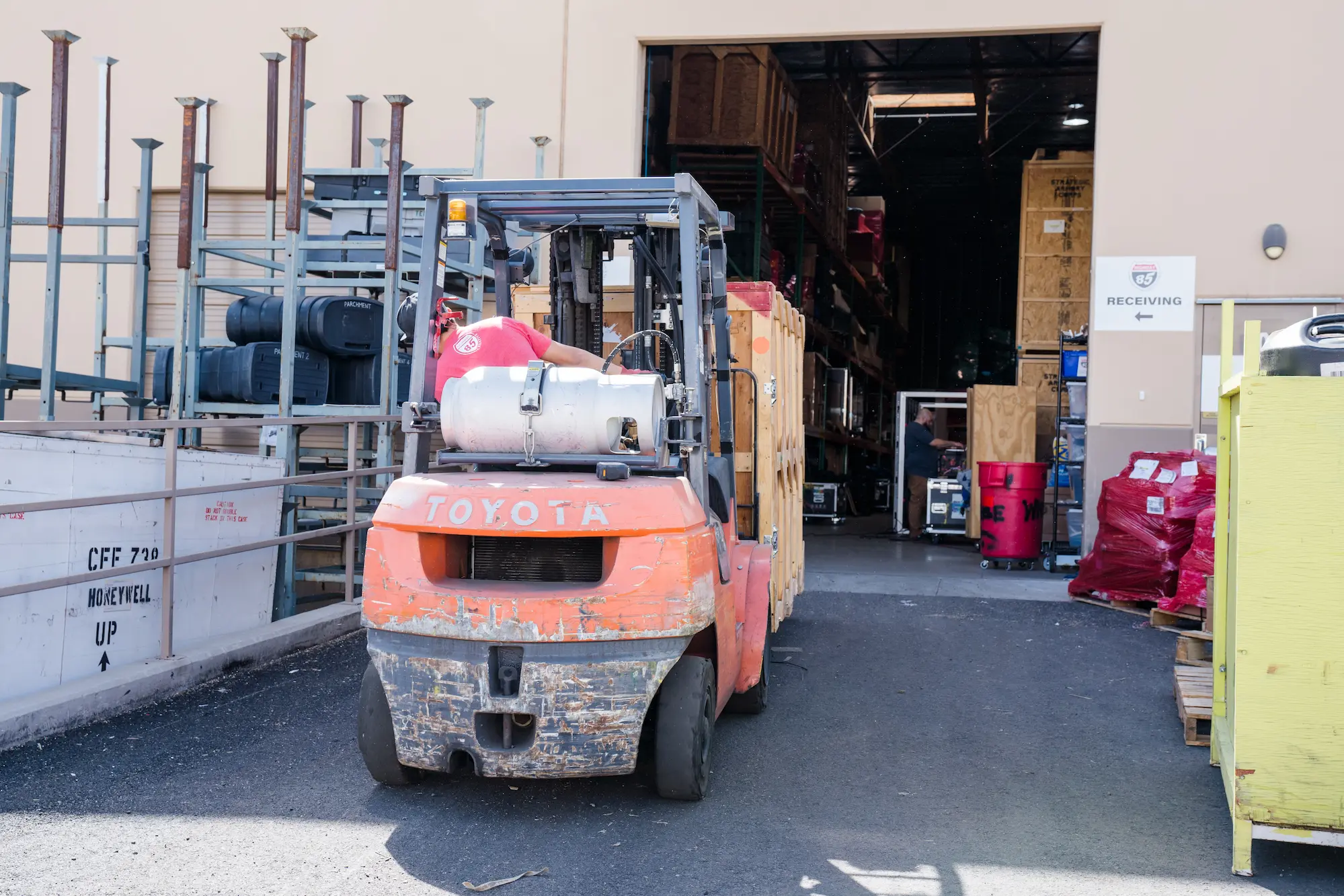
Shipping gets your materials to the convention center or advance warehouse. Drayage covers moving those materials from the receiving area to your booth, storing empty crates during the show, and returning those crates after the event.
The cost is often based on weight, handling requirements, and delivery timing. Charges can increase when materials are loose, stacked poorly, oversized, or delivered late.
Drayage becomes especially expensive when the exhibit includes:
- Heavy custom components
- Multiple small shipments
- Oversized crates
- Loose promotional materials
- Equipment requiring special handling
The booth may look light in a rendering. The freight scale tells the truth. This is one of the clearest examples of why what a trade show budget really includes goes well beyond the fabrication quote, and why drayage needs to be scoped into the original budget conversation rather than discovered on the show floor.
Storage Costs Add Up Fast
Storage can mean several things.
During the show, empty crates usually have to be removed from the booth. That temporary storage is often tied to drayage or material handling fees.
After the show, the exhibit may need long-term warehouse storage. Those costs can include monthly fees, inventory management, inspections, repairs, repacking, and pulling the booth for future shipments.
Storage gets expensive when companies keep oversized crates, outdated graphics, damaged parts, and boxes nobody has opened in two years.
Paying to store junk is not a strategy.
A good storage plan should include regular inventory reviews, clear labeling, condition reports, and decisions about what should be reused, repaired, recycled, or removed. The full picture of what happens to a booth between shows is covered in what happens to your custom trade show booth between shows, where a proactive storage and maintenance plan protects the exhibit investment and prevents the cost of storing things that should have been retired.
Labor Costs Can Change Without Warning
Trade show labor is not always a simple hourly rate.
The final cost depends on the city, venue, union requirements, crew size, setup window, and time of day. Straight-time labor may apply during regular hours. Overtime or double-time rates may apply at night, on weekends, or during holidays.
Extra labor costs are often caused by:
- Delayed freight
- Missing hardware
- Incomplete instructions
- Last-minute design changes
- Complicated assembly
- Tight installation windows
- Waiting for electrical or rigging crews
One delay can create a chain reaction. The crew waits for freight. The electrician waits for the structure. The technology team waits for power. Several people are suddenly standing around on the clock.
Clear drawings, labeled crates, complete hardware kits, and realistic schedules help reduce paid waiting. The installation planning covered in what exhibitors should know about trade show booth installation is the practical framework for preventing the chain reaction that turns one delayed freight arrival into three hours of overtime labor.
Electrical and Internet Are Never “Just One More Thing”
Power is another category that looks simple until the order form arrives.
The venue may charge for electrical drops, labor, distribution, outlet placement, and equipment connection. You may also need more power than expected if the booth includes monitors, lighting, laptops, chargers, refrigerators, or interactive displays.
Internet can be just as painful.
A basic connection may work for email or lead retrieval. Product demonstrations, livestreams, and cloud-based software may require a stronger dedicated connection.
Do not assume venue Wi-Fi will support a critical demonstration.
Budget for the actual performance you need, and build a backup plan if the booth experience depends on internet access. A live demo that will not load is not interactive. It is awkward.
Late Orders Come With a Price
Many show services offer discounted advance rates. Miss the deadline, and the exact same outlet, chair, internet connection, or cleaning service can cost more.
Late charges are often caused by slow approvals, unclear ownership, incomplete forms, or design changes made after service orders are submitted.
The usual offenders include:
- Electrical
- Furniture
- Internet
- Rigging
- Cleaning
- Lead retrieval
- Shipping forms
- Badge registration
Build a service-order calendar, assign an owner to every form, and set internal deadlines earlier than the official show deadlines. Waiting until the last day is not flexibility. It is a surcharge. This is the same planning discipline covered in how to build a trade show budget approval package that finance can actually defend, where late decisions are identified as a cost risk before the program begins rather than explained away after the invoices arrive.
Shipping Problems Create More Shipping Costs
Freight rarely becomes cheaper when something goes wrong.
Missed delivery appointments, incorrect labels, late shipments, damaged crates, and incomplete paperwork can lead to storage fees, special handling, reconsignment charges, or expedited shipping.
Post-show shipping can be even more chaotic. The team is tired, crates arrive at different times, paperwork gets rushed, and the venue wants the floor cleared quickly.
Every shipment should have:
- Correct labels
- Accurate weights and dimensions
- A confirmed carrier
- Pickup documentation
- Return instructions
- On-site contact information
- A backup plan
Freight paperwork is boring until it costs thousands of dollars.
Small On-Site Purchases Add Up
Not every hidden cost arrives as a giant invoice. Some show up as twenty small problems.
Teams often end up buying tape, chargers, adapters, power strips, tools, cleaning supplies, replacement graphics, and last-minute office supplies.
Individually, these purchases may not destroy the budget. Together, they create unnecessary expense and chaos.
A well-stocked show kit should travel with the booth. Pack the tools, hardware, cleaning materials, cables, adapters, labels, and repair supplies the team is likely to need.
Do not pay convention-center prices for something that could have been packed in a plastic bin.
How Much Should You Reserve for Hidden Trade Show Costs?
A contingency fund of 10 to 15 percent of the total trade show budget is a solid starting point. Larger custom booths, complex technology, tight schedules, or first-time events may justify more.
That reserve can help cover:
- Labor overruns
- Freight problems
- Replacement graphics
- Rush orders
- Additional electrical needs
- Technology failures
- Schedule changes
- Unexpected travel costs
Contingency is not permission to plan badly. It is protection against problems you cannot predict. The Experiential Designers and Producers Association recommends that exhibitors treat contingency planning as a standard budget line rather than an emergency fund, with reserve amounts scaled to program complexity and the number of first-time variables involved.
The Bottom Line
Hidden trade show costs are not random. Most come from drayage, storage, labor, freight, venue services, missed deadlines, and last-minute decisions. The best way to control them is to ask better questions before approving the budget: what is included in the booth quote, who handles shipping, how is drayage calculated, what labor rates apply, which deadlines reduce costs, and what happens after the show closes. If you want a fabrication partner who helps you find those answers before they become expensive surprises, explore Highway 85’s trade show capabilities or connect with our team to start planning.