

The custom vs modular trade show booth decision comes down to flexibility, cost, brand impact, and long-term use. A custom booth is designed and fabricated around your exact brand, goals, footprint, and show experience. A modular booth uses adaptable components that can be reconfigured, reused, and scaled across different events.
Most exhibitors do not need one perfect booth for every show. They need the right booth strategy for their budget, timeline, internal goals, and event calendar. If your brand needs a high-impact presence, unique architecture, premium finishes, or a memorable experience, custom may be the better fit. If you need flexibility, faster turnaround, easier reuse, and more budget control, modular may make more sense.
What Is a Custom Trade Show Booth?
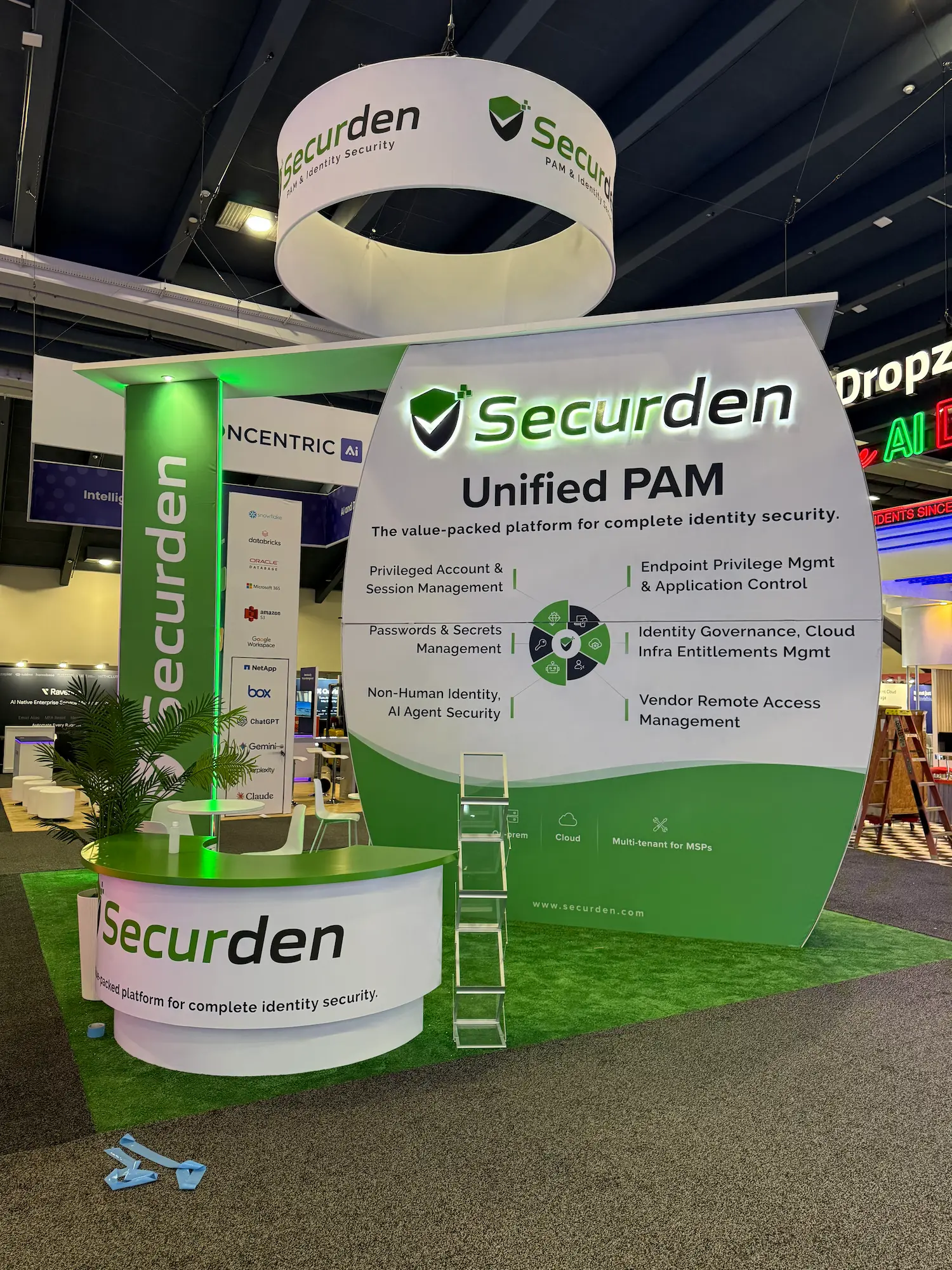
A custom trade show booth is built specifically for your brand. The layout, structure, finishes, graphics, lighting, storage, product displays, demo areas, and visitor flow are designed around what your team needs to accomplish at the show.
Custom booths are often used when a brand wants to make a strong impression, support a major product launch, create a premium hospitality experience, or stand out in a crowded exhibit hall.
A custom booth may include:
- Unique architectural elements
- Custom counters, displays, walls, and signage
- Integrated lighting or media
- Product demo stations
- Private or semi-private meeting rooms
- Premium materials and finishes
The biggest advantage of custom is brand control. You are not trying to fit your company into a pre-existing system. The booth is designed around your company from the beginning. For teams considering whether to make that investment, the post on when to stop renting and invest in a custom trade show booth covers the decision framework in detail.
What Is a Modular Trade Show Booth?
A modular trade show booth is built from reusable components that can be arranged in different ways. These systems are often designed to scale across different booth sizes, which makes them helpful for companies that attend multiple shows each year.
Modular does not have to mean basic. A well-designed modular booth can still feel polished, branded, and professional. The difference is that the structure is more adaptable and often more efficient to ship, store, and reconfigure.
A modular booth may include:
- Reusable wall systems
- Interchangeable graphics
- Modular counters and kiosks
- Portable displays
- Reconfigurable product areas
- Components that work for multiple booth footprints
The biggest advantage of modular is flexibility. If your event calendar includes a mix of booth sizes, modular components can help you get more mileage from your investment. This is especially relevant for teams already thinking through how to build a booth that works across multiple shows, where adaptability and storage efficiency are as important as visual impact.
Custom vs Modular Trade Show Booth: The Main Differences
The right choice depends on how your booth needs to perform. A custom booth usually offers more creative freedom and a stronger brand presence. A modular booth usually offers more flexibility and budget efficiency over time.
Custom trade show booths are best when:
- Your brand needs a high-impact floor presence
- You are launching a product or entering a new market
- You want a booth that does not look like everyone else’s
- You need specific materials, finishes, or architectural features
- You want the booth to support premium meetings, demos, or hospitality
Modular trade show booths are best when:
- You attend several shows each year
- Your booth size changes from event to event
- You need to control costs across a larger event calendar
- You want faster updates with new graphics or small changes
- You need easier shipping, storage, and reconfiguration
Neither option is automatically better. The better option is the one that fits how your team actually exhibits.
Budget: Where the Money Goes
Custom booths often require a larger upfront investment because they involve more design, engineering, fabrication, finishing, and project management. That investment can be worth it when the booth needs to deliver a major brand moment or support a high-value sales environment.
Modular booths can be more cost-effective, especially when components are reused across multiple shows. You may spend less on fabrication and updates over time because you are not rebuilding the entire booth for every event.
The smarter question is where this booth will create the most return. Understanding what drives custom trade show booth cost before the budget conversation helps teams evaluate both options with realistic numbers rather than surface-level comparisons.
Timeline: How Fast Do You Need It?
Timeline can also help determine whether custom or modular is the better fit.
Custom booths usually need more time because there are more decisions to make. The process may include concept development, design, estimating, engineering, material selection, fabrication, graphics, staging, packing, and shipping.
Modular booths can often move faster, especially if the base system already exists and only graphics, layout, or small components need to change. This can be helpful when your team has a tight deadline or a smaller event that still needs to look professional.
A tight timeline does not always rule out custom, but it does create tradeoffs. You may need to simplify materials, limit revisions, or prioritize the highest-impact parts of the booth. The Center for Exhibition Industry Research publishes exhibitor benchmarks on build timelines and production planning that can help teams evaluate whether their show schedule supports a custom build or requires the faster turnaround of a modular system.
Brand Impact: How Much Do You Need to Stand Out?
If your booth needs to stop people in the aisle, custom gives you the most creative control. It allows you to shape the environment around your brand story, product, audience, and sales process.
That can matter when you are competing against large brands, launching something new, or trying to level up from a booth that no longer represents who you are.
Modular can still be strong for brand presence, especially with good graphics, lighting, layout, and finishing. But it usually works best when the goal is consistency, professionalism, and flexibility rather than a one-of-a-kind environment.
Reuse, Storage, and Long-Term Planning
This is where modular booths often shine. If your team attends several events each year, reusable components can help you stretch the value of your booth program. You can update graphics, change layouts, or scale pieces up and down without starting over every time.
Custom booths can also be designed for reuse, but that needs to be part of the plan from the beginning. A strong fabrication partner can help you decide which pieces should be durable, which should be refreshed each year, and which elements may need to adapt for different footprints.
Storage is another practical factor for both options. Before choosing either, ask how the booth will be crated, what space it will require, and how easy it will be to inspect or repair between shows. The full breakdown of what that looks like in practice is covered in what happens to your custom trade show booth between shows.
When a Hybrid Booth Makes Sense in the Custom vs Modular Trade Show Booth Decision
Many brands do not need a fully custom or fully modular solution. They need both.
A hybrid booth combines custom-built brand moments with modular systems that make the booth easier to reuse and reconfigure. For example, you may invest in a custom product display, reception counter, or overhead feature while using modular wall systems or reusable graphics for the rest of the space.
This approach can be a smart fit when you want a strong presence without building everything from scratch. It can also help your team balance creativity, budget, timeline, and long-term flexibility.
The Bottom Line
So, what is the difference between a custom and modular trade show booth?
A custom booth is built around your exact brand experience. It gives you more creative control, stronger visual impact, and more room for unique features. A modular booth is built for flexibility, reuse, and efficiency across multiple shows. It gives your team more ways to adapt without starting over.
The best choice depends on your goals, budget, timeline, event calendar, and the role your booth needs to play in your overall trade show program. If you want help thinking through the custom vs modular trade show booth decision for your specific situation, explore what Highway 85 builds or connect with our team to start the conversation.