

A well-executed custom trade show booth project looks like this: the booth draws people in, tells the brand story quickly, supports the sales team, installs without chaos, and gives the company something they can reuse, report on, and feel proud of after the show.
The best projects do not happen because one design choice was flashy. They happen because the strategy, design, fabrication, logistics, and show floor execution all work together. A custom booth should feel impressive to attendees, but behind the scenes, it should also feel organized, clear, and controlled for the team managing it.
The Scenario: A Brand Is Ready to Level Up
Let’s say a mid-size company is heading into a major industry trade show. They have exhibited before, but their current booth no longer matches where the brand is going. Maybe they are launching a new product. Maybe leadership wants a stronger presence. Maybe the sales team has outgrown a basic setup that does not give them enough space to demo, meet, or qualify leads.
The goal is not just to “get a nicer booth.” The goal is to create a custom trade show booth that helps the company show up differently.
The team needs:
- A booth that feels more premium
- A better product demo area
- Clear messaging from the aisle
- Space for real sales conversations
- Hidden storage for staff materials
- A design that can be reused at future shows
- A fabrication partner who can manage the details
This is where the right process matters.
Step One: Define What the Custom Trade Show Booth Project Has to Do
A strong custom trade show booth project starts with strategy. Before anyone gets too attached to shapes, colors, finishes, or renderings, the team needs to define what success looks like.
In this case, the brand wants to attract more qualified booth traffic, make the new product easy to understand, and give the sales team a better environment for conversations. That changes how the booth should be designed.
Instead of filling the space with generic graphics, the design needs to create a clear journey. Attendees should be able to see the brand from the aisle, understand the main message quickly, and know where to go next.
The early questions matter:
- What should attendees notice first?
- What product or message needs the most attention?
- How many staff members will be working the booth?
- Will conversations happen standing, seated, or both?
- What needs to be stored, powered, displayed, or hidden?
- What parts should be reusable next year?
When these answers are clear, the booth becomes a tool instead of just a structure. This is the same goal-first framework covered in the custom trade show booth design process, where every layout and fabrication decision traces back to a defined business objective.
Step Two: Turn the Strategy Into a Smart Design
Once the goals are defined, the design can start doing real work. A well-executed custom booth is not just good-looking. It is designed around how people move, stop, interact, and talk.
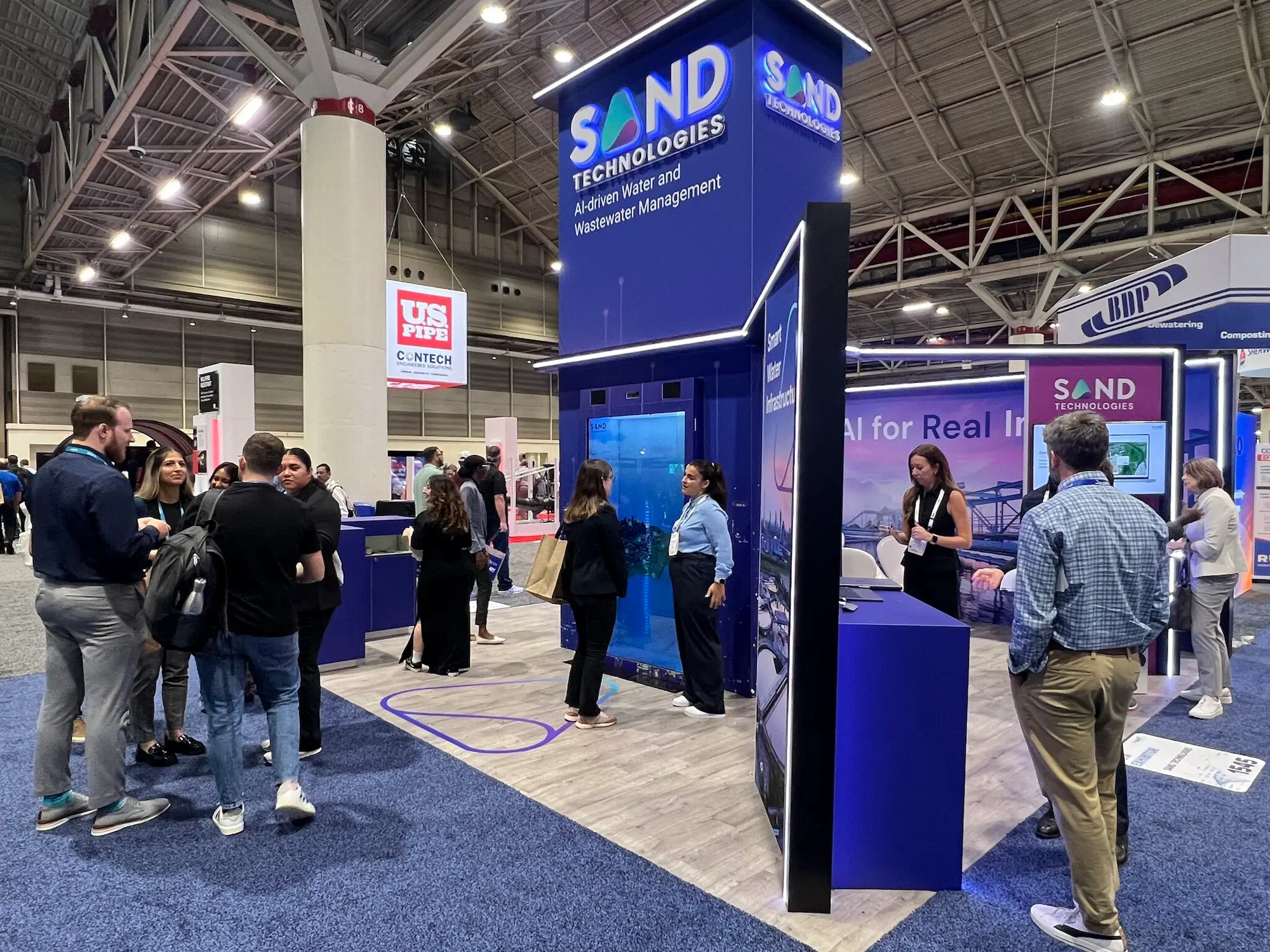
For this project, the booth might include a bold overhead sign for visibility, a custom product display near the aisle, an open demo counter, and a semi-private meeting area tucked slightly away from the busiest traffic. Storage is built into the design so staff bags, supplies, and extra materials do not clutter the booth.
The layout is intentional. The front of the booth invites people in. The demo area creates the first interaction. The meeting space supports deeper conversations. The branding is strong, but not overwhelming.
This is what separates a polished booth from one that simply takes up space. The same principles that define a memorable custom trade show booth apply here: open entry points, clear messaging, purposeful zones, and a layout that supports both quick interactions and deeper sales conversations.
Step Three: Make Fabrication Decisions That Protect the Experience
Good fabrication choices make the booth feel premium and perform well on the floor. In this case, the team may choose dimensional signage instead of flat graphics, durable finishes for high-touch counters, integrated lighting to highlight the product, and modular elements that can be reconfigured for smaller future events.
These choices affect more than appearance. They impact cost, timeline, shipping, storage, and reuse.
A smart fabrication partner will help the exhibitor understand tradeoffs. For example, a highly custom feature may create a stronger brand moment, but it may also require more build time and a larger crate. A modular wall system may be less dramatic, but it can stretch the investment across multiple shows. Premium finishes may cost more upfront, but they can make the booth feel more credible and hold up better over time.
When a custom trade show booth project gets everything right, these decisions are not surprises. They are part of the plan from the start, which is exactly why understanding what drives custom trade show booth cost before fabrication begins protects both the budget and the finished result.
Step Four: Keep the Custom Trade Show Booth Project Organized
Even the best booth design can become stressful if the process is unclear. A successful custom trade show booth project has strong communication from the beginning.
The exhibitor should know what is approved, what is still needed, when deadlines are coming, and how changes affect the schedule or budget. There should be one clear point of contact and a realistic production timeline.
A strong process includes:
- Discovery and goals
- Concept and design development
- Budget alignment
- Engineering and material decisions
- Fabrication and graphics
- Staging or quality checks
- Packing, shipping, install, dismantle, and storage
When communication is proactive, the client is not left wondering what is happening or chasing updates when they should be focused on the event itself. This is the same process discipline that separates reliable fabrication partners from ones that create more work than they solve.
Step Five: Execute on the Show Floor
A well-executed booth feels different once it is installed. The signage is visible. The lighting works. The counters are clean. The product display is easy to approach. Staff can move comfortably. Attendees understand where to go.
The sales team is not fighting the space. They are using it.
That is one of the clearest signs that a custom trade show booth project worked. The booth supports the people inside it. It helps them start conversations, qualify leads, host meetings, and represent the brand with confidence.
Good execution also means the practical details are handled. The booth arrives packed correctly. Components are labeled. Install is planned. Storage is hidden. Technology has been considered. Dismantle is not an afterthought.
The attendee may never see those details, but they feel the result.
The Outcome: A Booth That Works Beyond the Show
When a custom trade show booth gets everything right, the value does not end when the event closes. The company leaves with stronger brand photos, better sales conversations, internal confidence, and booth components that can support future shows.
Leadership can see where the investment went. Marketing has a stronger brand environment. Sales has a better place to work. The event manager has fewer fires to put out. The booth program now has a foundation instead of starting over every time.
That is the difference between buying a booth and building an exhibit strategy. Teams that plan for multi-show reuse from the start get significantly more value from their investment than those who treat each event as a standalone build. The Center for Exhibition Industry Research consistently finds that exhibitors with a documented post-show measurement process report stronger internal support for trade show investment and higher program-level ROI over time.
The Bottom Line
A well-executed custom trade show booth project looks like a clear strategy, a smart design, quality fabrication, organized communication, smooth logistics, and a show floor experience that helps the brand perform. If you are ready to build a booth that works that way from the first conversation, explore what Highway 85 builds or connect with our team to start planning.