


How does the custom trade show booth design and build process work?
The custom trade show booth design process works by moving your booth from strategy to concept, then into design, estimating, engineering, fabrication, shipping, and installation. The goal is to connect the creative idea with the real-world details that decide whether the booth actually performs on the show floor.
A custom booth should not start with a rendering. It should start with the goal. Once the goal is clear, the design and build team can create a booth that looks strong, functions well, and supports the event. Understanding what custom trade show fabrication actually is before the first design conversation helps teams move through the process faster with fewer surprises.
Step 1: Discovery Comes First in the Custom Trade Show Booth Design Process
Before anyone starts designing, your booth partner needs to understand what the booth has to do. This is where the team gets clear on your goals, audience, budget, show schedule, and approval process.
A strong discovery conversation should cover:
- Booth size and show date
- Brand guidelines and visual direction
- Product demos or technology needs
- Traffic flow, staffing, and storage
- Budget range and approval process
- Reuse goals for future shows
This is also where the team should talk honestly about budget. A booth built for a product launch may need a bold focal point and demo space. A booth built for sales meetings may need enclosed rooms and seating. A booth built for multiple shows needs durability, modularity, and storage planning. The Center for Exhibition Industry Research recommends that exhibitors complete a formal goals and objectives brief before any design work begins, citing it as one of the strongest predictors of trade show program success.
Step 2: Strategy Shapes the Space
Once the goals are clear, strategy gives the booth structure. This is where the team decides how the space should work before deciding how it should look.
Where do people enter? What do they see first? Where does your team stand? Where do conversations happen? Where does the product live? Where does the clutter go?
A booth can look beautiful and still fail if the layout is wrong. If attendees cannot tell what you do, if your team has nowhere to talk, or if a demo blocks the aisle, the booth is working against you.
Strong strategy gives every part of the booth a job. The front pulls people in. The center supports engagement. The back handles storage, meetings, or staff needs. The graphics make the message clear fast. A booth with no strategic layer can look impressive and still leave your team without a place to have the conversations that actually matter.
Step 3: Concept Design Brings the Idea to Life
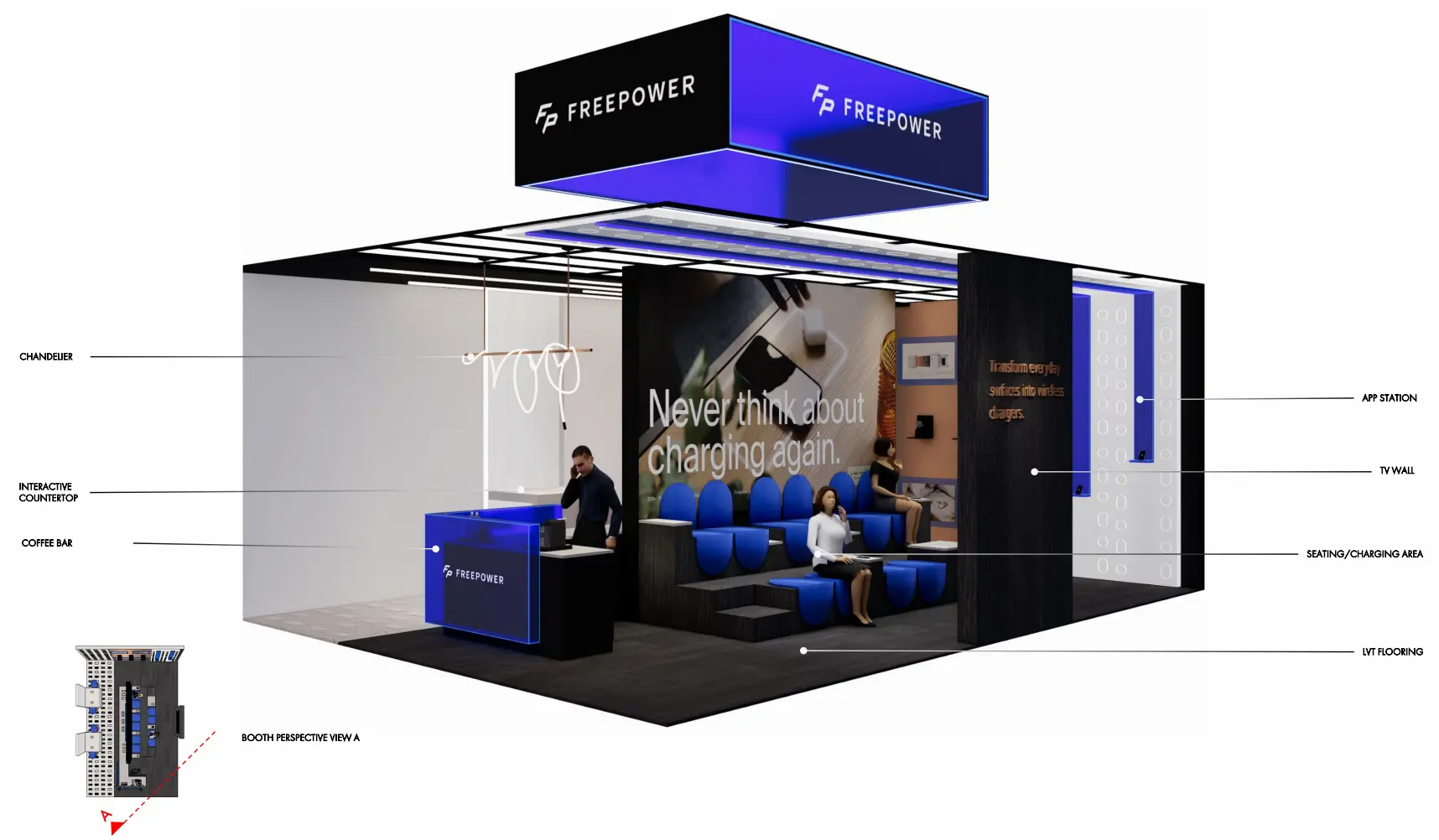
This is the stage most people picture when they think about custom booth design. The design team turns the strategy into a visual concept. That may include floor plans, 3D renderings, material direction, signage, lighting ideas, and branded moments.
The goal is not just to make something attractive. The goal is to make something memorable, functional, and buildable.
This is also where tradeoffs matter. A large overhead sign can create strong visibility, but it may add rigging costs. A custom reception counter can make the booth feel polished, but it may increase fabrication time. LED walls can bring energy, but they affect budget, electrical planning, and setup.
A good partner will explain what design choices mean for cost, timeline, shipping, install, and future reuse. That transparency is part of what separates a fabricator who builds what is handed to them from one who helps protect the idea from concept all the way to the show floor.
Step 4: Budget Alignment Keeps the Custom Trade Show Booth Design Process Real
After the concept is developed, the team prices the work. Custom trade show booth costs can vary widely depending on size, materials, structure, graphics, technology, flooring, lighting, freight, labor, and show services.
The biggest cost drivers usually include:
- Custom fabrication and specialty finishes
- Large-format graphics and signage
- Screens, LED walls, lighting, and interactive tech
- Freight, drayage, install labor, and show services
- Storage, refurbishing, and reuse planning
Value engineering does not mean making the booth boring. It means protecting the most important parts of the design while adjusting the areas that matter less. Understanding what drives custom trade show booth cost before this conversation helps teams make faster decisions with less back-and-forth.
Step 5: Engineering Turns the Design Into a Buildable Booth
Once the design and budget are approved, engineering begins. This is where the booth moves from “this looks great” to “this can be built, shipped, installed, and reused.”
Engineering answers practical questions. How does the structure stand safely? How does it break down for shipping? Where does power run? How do graphics attach? What materials will hold up? How will the install team assemble it on site?
The better the engineering, the fewer surprises your team has during move-in. This is where a fabrication partner who handles design and engineering under one roof has a significant advantage, because the people who built the concept are also the ones making sure it can stand, ship, and install correctly.
Step 6: Fabrication, Logistics, and Install Bring It to Life
Fabrication is where the booth becomes physical. Walls, counters, displays, product areas, signage, and custom features are built. Graphics are produced. Materials are ordered. Finishes are applied. Technology is coordinated.
Then logistics gets everything to the show. The booth has to be packed, labeled, shipped, received, handled, and installed according to the show’s rules. That may include freight, electrical orders, rigging forms, material handling, install labor, dismantle labor, return shipping, and storage after the show.
Install is where the plan gets tested. The booth team assembles the structure, installs graphics, connects lighting and technology, places furniture, and checks final details. The goal is simple: when your team walks onto the show floor, the booth should feel ready.
How Long Does the Custom Trade Show Booth Design Process Take?
A practical planning window for a custom trade show booth is usually 8 to 20 weeks, depending on size and complexity. Smaller custom booths may fit into the shorter end of that range. Larger booths, technology-heavy builds, custom structures, or booths with several approval layers need more time.
Compressed timelines are possible, but they come with tradeoffs: fewer material options, less flexibility in design, higher rush costs, tighter freight windows, and less time for internal review.
The earlier you start, the more control you have. More time means better design decisions, cleaner estimating, stronger engineering, and fewer expensive surprises. For teams deciding whether now is the right time to invest in a custom trade show booth, timeline is often one of the most underestimated factors in that decision.
The Bottom Line
So, how does the custom trade show booth design and build process work? It works best when strategy, design, budget, engineering, fabrication, logistics, and installation are connected from the start.
A great custom booth is not just a structure. It is a sales tool, a brand moment, and a working environment for your team. When the custom trade show booth design process is done right, your booth does more than look good. It helps your brand show up with confidence, clarity, and purpose. If you are ready to start that process, explore what Highway 85 builds or connect with our team to get started.