

Brand activation fabrication works best when agencies bring in a production partner early, pressure-test the idea against real-world constraints, and keep communication tight from concept through install. The strongest activations are not built from a last-minute handoff. They happen when creative, engineering, materials, budget, logistics, and on-site execution are aligned before production starts.
For agencies, the stakes are high. Your client sees the final activation. Your team owns the relationship. Your reputation rides on work another team is physically producing. This is the core accountability challenge covered in how agencies protect their reputation when fabrication is out of their hands, and it applies nowhere more directly than in brand activation work where every detail is on display.
Why Fabrication Should Start Early
Brand activations are physical experiences. That means every creative idea has to work in the real world.
A build may need to account for:
- Weight
- Power
- ADA access
- Venue rules
- Fire ratings
- Traffic flow
- Install windows
- Shipping and storage
- Teardown requirements
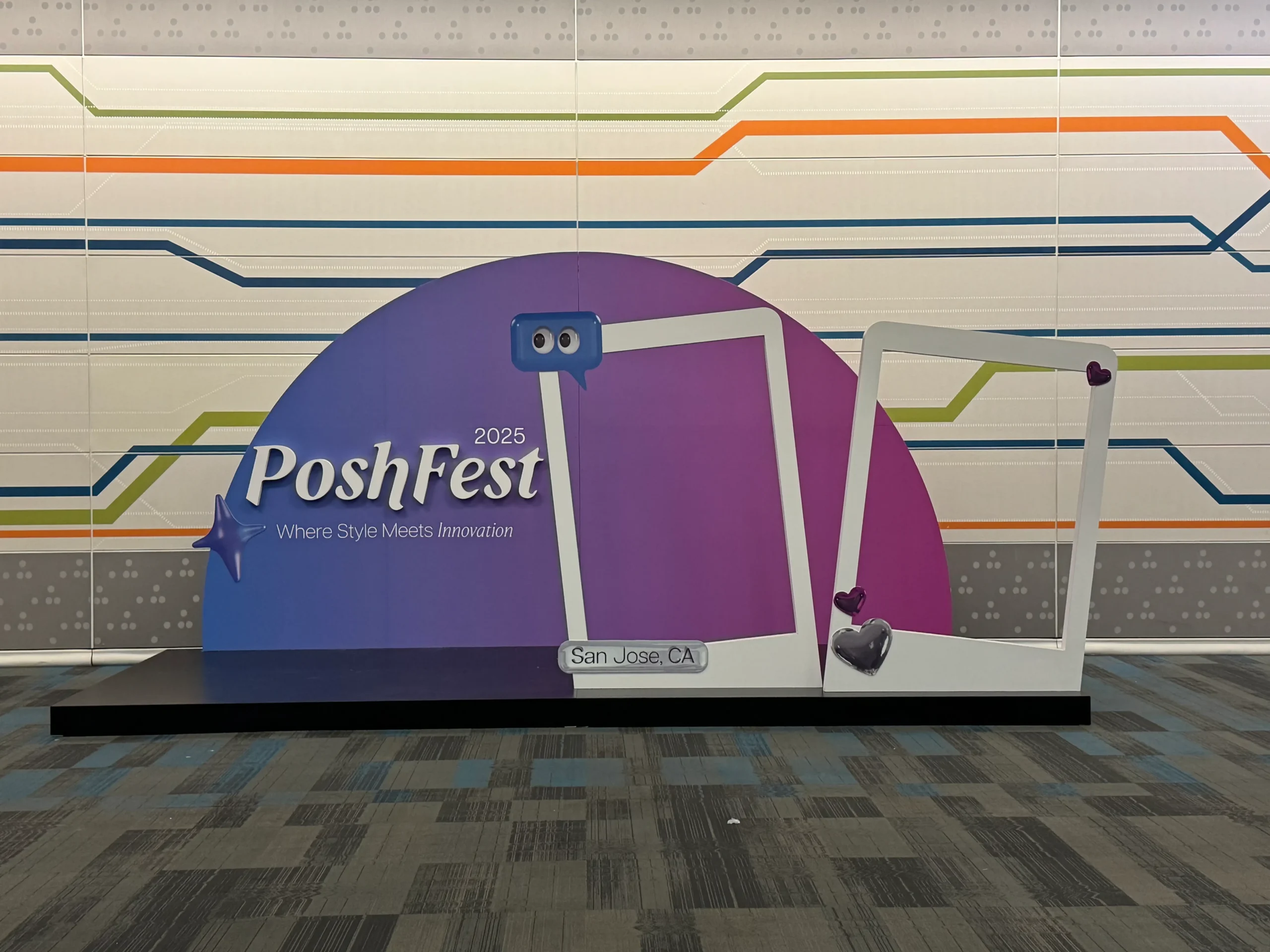
A sleek bar moment may need reinforced framing, hidden casters, durable finishes, back-of-house storage, and a plan for repeat use. A photo op wall needs to stand safely, light correctly, fit through venue doors, and look great on a phone camera.
When fabrication enters the conversation too late, the shop becomes the team saying no. When brand activation fabrication starts early, the better question becomes how to keep the idea strong and make it buildable. This is why every creative agency needs a fabrication partner they can trust to engage at the concept stage, not the production stage.
What Agencies Should Lock In First
Before production starts, agencies should get clear on the basics that drive scope, price, and timeline. This is the same discipline covered in how to scope a fabrication project when you are not the fabricator, applied specifically to the activation context where goals, location, lifespan, and approval process all shape the build differently.
1. The goal
Is the activation meant to:
- Drive leads?
- Create social content?
- Launch a product?
- Pull people into a booth?
- Anchor a private event?
- Support a larger campaign?
The goal shapes the build. A lead-gen activation needs different decisions than a pure content moment.
2. The location
A hotel ballroom, convention center, outdoor footprint, retail pop-up, and corporate lobby all come with different requirements. Power, rigging, labor, dock access, fire ratings, ceiling height, and install timing can change the entire production plan.
3. The lifespan
A one-night event and a multi-city tour should not be built the same way. Temporary activations can prioritize speed and visual impact. Touring builds need durability, modularity, repairability, and smart packing.
4. The approval process
Agencies are often managing client feedback, internal creative teams, account leads, and production realities at the same time. Decide early who has final say on budget, design changes, materials, and scope shifts.
5. The real budget
Not the dream number. The real number.
A good fabrication partner can value-engineer, but only if they know the guardrails.
Where the Budget Usually Goes in Brand Activation Fabrication
Brand activation fabrication costs vary based on size, finish level, materials, technology, labor, freight, and install complexity.
A smaller branded moment may land in the low five figures. A larger custom activation with scenic elements, lighting, AV integration, logistics, and on-site support can move into six figures quickly.
Common cost drivers include:
- Custom carpentry
- Metalwork
- Specialty finishes
- Dimensional signage
- Lighting
- Screens and AV
- Interactive tech
- Engineering
- Crating and freight
- Travel and on-site labor
- Rush timelines
- Late-stage design changes
The tradeoff is simple: you can usually optimize for speed, cost, or polish, but rarely all three at once. Understanding these cost drivers before the concept is approved is what separates agencies that protect their margins from those that absorb overages. The same budget discipline covered in white label fabrication applies directly here, where reselling a service only works when the underlying costs are controlled.
What Timeline Should Agencies Expect?
A clean fabrication timeline for a custom brand activation often looks like this:
| Phase | Typical Timing |
| Discovery and feasibility | 1 to 2 weeks |
| Design development and estimating | 1 to 3 weeks |
| Engineering and production drawings | 1 to 2 weeks |
| Fabrication | 3 to 8 weeks |
| Shipping, install, and on-site execution | Varies by event |
Simple builds can move faster. Custom scenic work, interactive elements, premium finishes, or touring components usually need more runway.
Rush projects can happen, but only when everyone is decisive. They fall apart when approvals drag, creative keeps changing, or client feedback arrives after materials are already ordered. The Event Marketer regularly publishes production timelines and activation planning guides that can help agencies set realistic expectations with clients before scoping begins.
How Agencies Can Protect the Timeline
The best way to keep fabrication moving is to make decisions early and separate the must-haves from the nice-to-haves.
Agencies can protect the timeline by:
- Locking key dimensions early
- Confirming the venue rules upfront
- Sharing the real budget range
- Getting client approvals in writing
- Limiting late-stage design changes
- Approving materials before production
- Building in time for freight and install
The earlier these pieces are handled, the fewer surprises show up when the clock is already running.
Communication Is the Real Deliverable
For agencies, communication is not just a nice-to-have. It is risk control.
Your fabrication partner should make it easy to understand:
- What is happening now
- What decisions are needed
- What has changed
- What is at risk
- What the client needs to approve
- What the install plan looks like
- What happens after the event
This matters because agencies often have to translate fabrication details back to the client. You need enough information to sound buttoned-up without becoming a production expert overnight.
A strong partner helps you explain why something costs what it costs, what materials are being used, what the client can still change, and what happens if approvals are delayed. This is the same communication standard covered in why agency fabricator communication makes or breaks the project, just with the added pressure of a live activation deadline and a client watching every update.
White Label Brand Activation Fabrication Requires Extra Trust
When fabrication is white labeled, the agency needs a partner who understands the assignment.
That means:
- No ego
- No messy handoffs
- No confusion in front of the client
- No unclear roles on-site
- No surprise changes without context
The fabrication team should know when to lead, when to support, and when to stay behind the curtain.
A strong partner protects the agency relationship while bringing the production brainpower needed to make the activation work. The 10 questions every agency should ask a new fabrication partner include several that are specifically designed to reveal whether a partner understands white label dynamics or just says they do.
What to Look for in a Fabrication Partner
For agency-led brand activations, look for a partner that can bring both polish and production muscle.
The right partner should offer:
- Creative problem-solving
- Engineering support
- Custom fabrication
- Clear estimating
- Material guidance
- AV and lighting coordination
- Logistics planning
- On-site install support
- Storage or reuse planning
- White-label flexibility
You are not just buying a build. You are buying confidence that the concept will survive contact with the real world.
The Bottom Line
Agencies manage brand activation fabrication best when production is treated as a collaboration, not a handoff.
Bring the fabricator in early. Share the real budget. Clarify the client’s goals. Lock approvals before production starts. Choose a partner who communicates clearly from first estimate to final install.
The client does not care how many moving parts were involved behind the scenes. They care that the activation looked sharp, worked flawlessly, drew people in, and made the brand impossible to ignore. If you want a fabrication partner who treats activation work as a collaboration from the first conversation, connect with the Highway 85 team to start planning.