


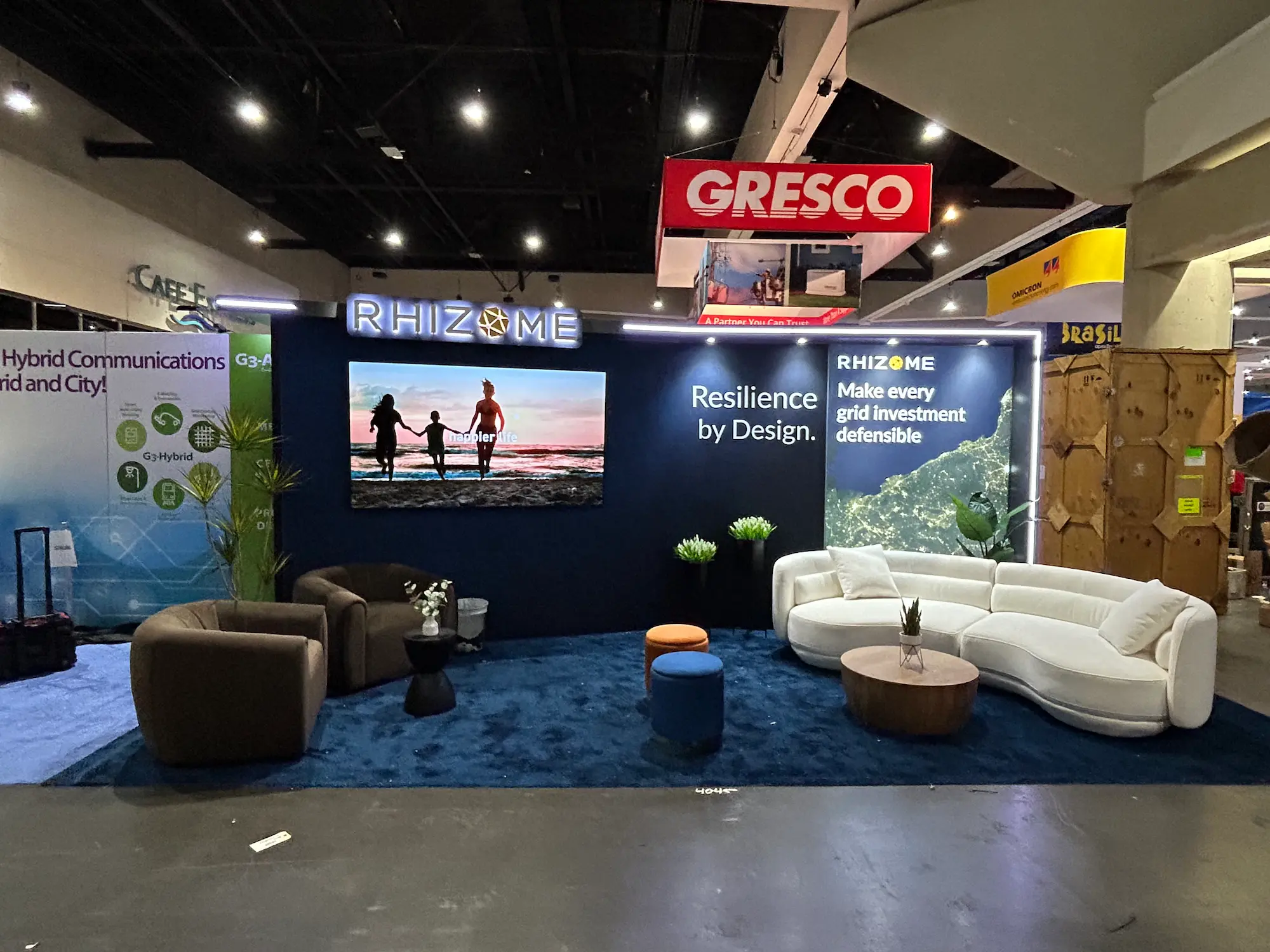
Labor is one of the fastest ways a trade show budget can spiral. Most overages don’t come from the booth itself, they come from avoidable mistakes in labor planning. If you’ve ever wondered What increases trade show labor costs?, the short answer is poor coordination, unclear scopes, and last-minute changes.
Below is a practical breakdown of where planning failures hit your wallet hardest and how to avoid them.
Missed Advance Ordering Windows
One of the most expensive mistakes is failing to order labor in advance. Most general contractors and labor unions have tiered pricing:
- Advance rate (lowest)
- Standard rate
- Show-site or late rate (highest)
Miss the deadline, and you can pay 20–40% more for the exact same crew.
Why this happens
- Booth design not finalized early enough
- Internal approvals delayed
- No clear labor schedule
How to prevent it
Lock your labor estimates at the same time your booth design is approved, not weeks later.
Underestimating Install and Dismantle Time
Bad time estimates are silent budget killers. If your install runs long, you don’t just pay more hours, you often trigger overtime.
Common planning misses
- Complex structures without realistic build times
- Ignoring material handling delays
- Not factoring in union work rules
- Assuming “it went fast last year”
The real cost impact
Once crews hit overtime (often after 8 hours or evenings/weekends), rates can jump to 1.5x–2x normal labor costs.
Smart planning move
Build a time buffer into your labor schedule. Conservative estimates almost always cost less than optimistic ones.
Poor Booth Design for Efficient Labor
Labor planning starts in the design phase. If the booth is difficult to assemble, labor costs climb fast.
Design choices that increase labor hours
- Excessive custom components
- Hard-to-access electrical areas
- Overly complex hanging signs
- Non-modular builds
- Tight tolerances that require field adjustments
What good labor-friendly design looks like
- Pre-assembled components
- Clear cable routing
- Modular wall systems
- Minimal on-site fabrication
Good design reduces crew hours every single show cycle.
Lack of Clear On-Site Supervision
When no one owns the install plan on-site, crews lose time and you pay for every minute.
What typically goes wrong
- Crews waiting for direction
- Missing graphics or hardware
- Confusion between vendors
- Rework due to miscommunication
Even small delays compound quickly when multiple workers are on the clock.
Best practice
Assign one experienced install lead who knows:
- The build sequence
- Vendor responsibilities
- Show rules
- Contingency plans
Last-Minute Changes on the Show Floor
Nothing inflates labor faster than day-of changes.
High-cost change scenarios
- Moving electrical after install
- Rehanging graphics
- Structural modifications
- Late product swaps
These often trigger:
- Extra labor calls
- Minimum-hour charges
- Overtime rates
- Rush material handling
Prevention strategy
Freeze the booth plan at least 2–3 weeks before show move-in and enforce it internally.
The Bottom Line on Labor Planning
If you’re asking What increases trade show labor costs?, the answer is almost always poor planning upstream. Labor overruns are rarely surprises, they’re usually the result of avoidable gaps in timing, design, or coordination.
Strong labor planning does three things:
- Locks in lower labor rates
- Prevents overtime creep
- Keeps crews productive on-site
Ready to Get Your Labor Costs Under Control?
If your team is tired of surprise labor overruns, it may be time to tighten your install strategy. Review your last show’s labor report, identify where time slipped, and build those lessons into your next plan.
Want a second set of eyes on your labor approach? Start that review now, before your next advance deadline closes.